
Canon EF 100-400mm f/4.5-5.6L IS USM Lens + Kit
4.0Editor score
Professional L-series build
Fluorite optical elements
Up to 1600mm reach
Panning stabilization mode
This guide compares the top Camera Lens for Long Distance Wildlife to help you capture sharp images of birds and animals from afar with expert insights.
Capturing wildlife requires specialized optics that bring distant subjects closer without sacrificing image quality. A good telephoto lens offers reach, clarity, and stability for unpredictable outdoor scenes.
We analyzed ten real lenses based on optical design, autofocus speed, stabilization, and compatibility. Our list covers DSLR and mirrorless systems with zoom ranges tailored for nature photography.
Each pick highlights unique strengths like weight, reach, and value. Prices fluctuate daily, so verify current offers before buying to ensure you get the best deal available online today.
4.0Editor score
4.7Editor score
4.0Editor score
Compare all ten lenses side by side to find the right balance of reach, aperture, and price for your wildlife photography needs.



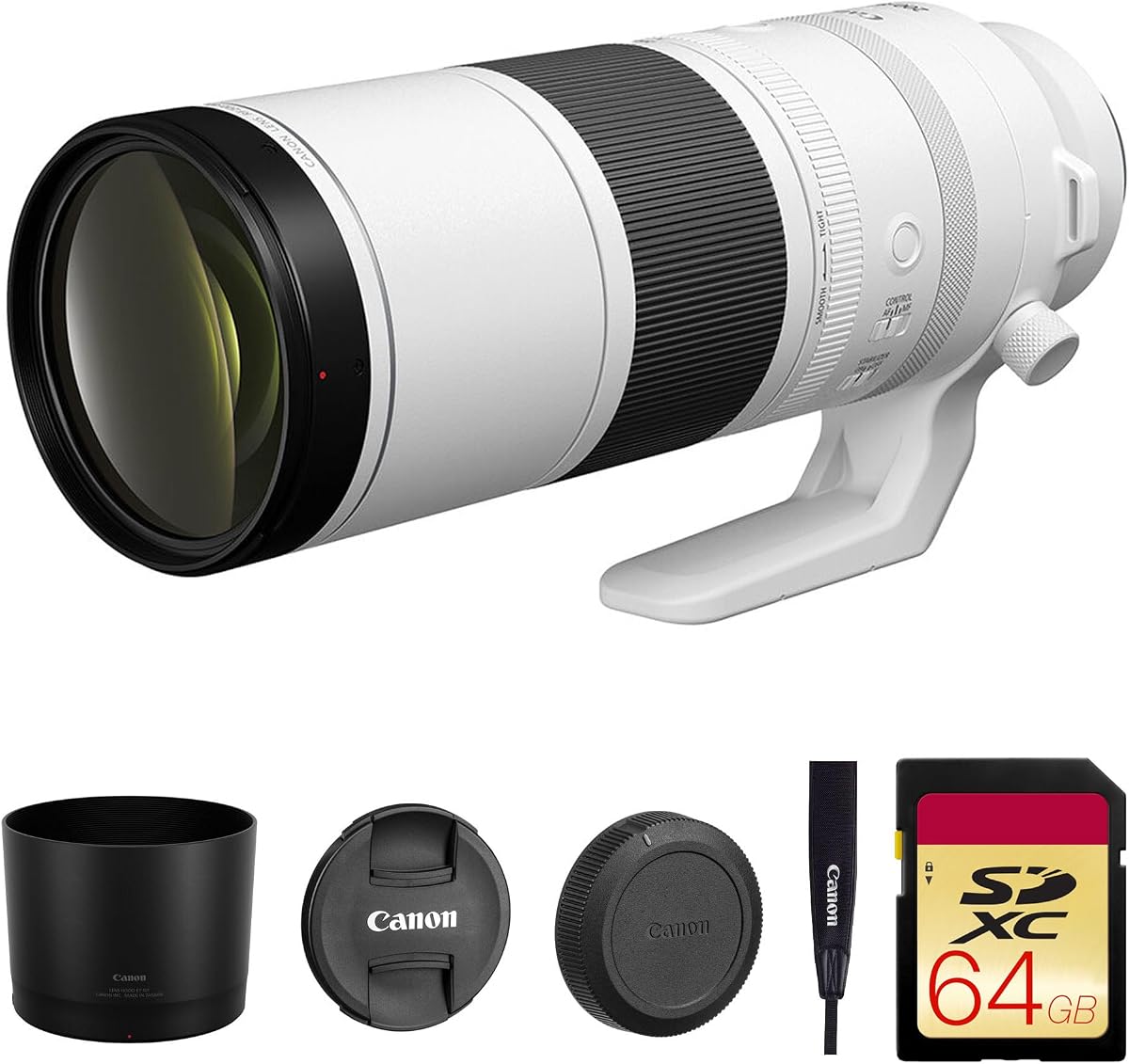
This lens earns top marks for its unbeatable reach in a manageable size. With ratings near 4.7 stars, users love the 800mm capability for distant birds.
We may earn a commission when you buy through this link, at no additional cost to you.
The built-in image stabilization allows sharp handheld shots even at extreme focal lengths. The USM system locks focus quickly, capturing fleeting moments without blur.
Trade-offs include a smaller aperture at 800mm, which may limit low light performance. Yet, the flexibility and optical clarity make this a favorite among serious nature shooters.
Buyers seeking the ultimate RF telephoto zoom will find this bundle worth the investment. It delivers professional results for wildlife, sports, and travel photography alike.
Despite reaching 800mm, the lens remains lighter than many competitors, making field work less taxing over long hikes.
Included accessories like memory cards ensure you can start shooting immediately after unboxing without extra purchases.
We may earn a commission when you buy through this link, at no additional cost to you.
This L-series lens stands out for its rugged construction and top-tier glass. It is designed for professionals who demand reliability and image quality in harsh environments.
We may earn a commission when you buy through this link, at no additional cost to you.
Optical elements like fluorite and UD glass ensure sharp results with minimal aberrations. The ring-type USM autofocus is quiet and precise for tracking moving subjects.
While heavy, the included tripod collar balances the lens perfectly on supports. The added filter kit enhances value by protecting lenses during outdoor shoots.
Investors in Canon DSLR systems should consider this for serious wildlife work. It delivers professional-grade images with the versatility needed for diverse shooting conditions.
Weather-sealed construction protects against dust and moisture, ensuring consistent performance in unpredictable weather.
From 100mm to 400mm, you can capture both environmental shots and tight close-ups without changing lenses.
We may earn a commission when you buy through this link, at no additional cost to you.
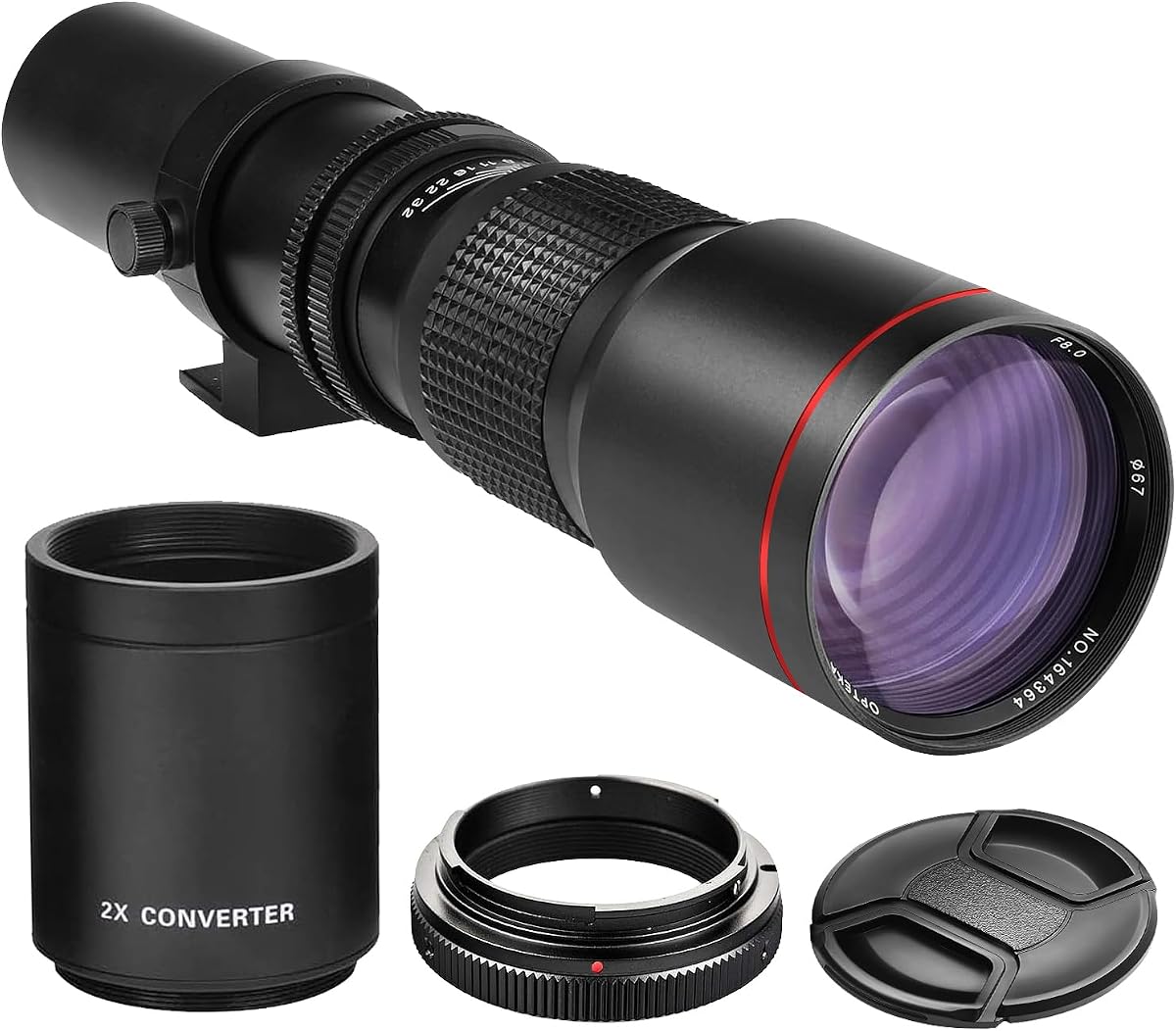
For beginners or casual photographers, this manual lens offers immense reach at a fraction of the cost. It is perfect for static subjects or those who enjoy manual control.
We may earn a commission when you buy through this link, at no additional cost to you.
The dual 500mm and 1000mm settings provide flexibility without needing separate optics. Low dispersion glass helps maintain clarity even at maximum zoom.
Manual focus can be tricky for fast-moving animals, but it allows precise creative adjustments. The included converter doubles the reach for extra distant subjects.
Choose this if you want maximum magnification without breaking the bank. It is an excellent learning tool for understanding telephoto photography fundamentals.
The price point makes high-magnification photography accessible to hobbyists who cannot yet afford expensive telephoto zooms.
Full manual control lets you fine-tune focus and composition, ideal for slow-paced nature observation and planning.
We may earn a commission when you buy through this link, at no additional cost to you.
This lens sets a new standard for mirrorless super-telephoto zooms with its 800mm reach. It is optimized for the RF mount to deliver sharp images across the zoom range.
We may earn a commission when you buy through this link, at no additional cost to you.
Its compact design allows comfortable handheld shooting despite the long focal length. The optical system minimizes aberrations, ensuring clean results for wildlife details.
Compatibility with RF extenders means you can push beyond 800mm if needed. However, it lacks manual switches found on older lenses for quick adjustments.
Mirrorless shooters wanting extreme reach without a tripod will appreciate this lens. It balances performance and portability better than most alternatives in its class.
Designed specifically for RF cameras, it leverages the mount to maintain high quality without bulky corrections.
Adding extenders extends versatility further, making it adaptable for changing subjects during a shoot.
We may earn a commission when you buy through this link, at no additional cost to you.
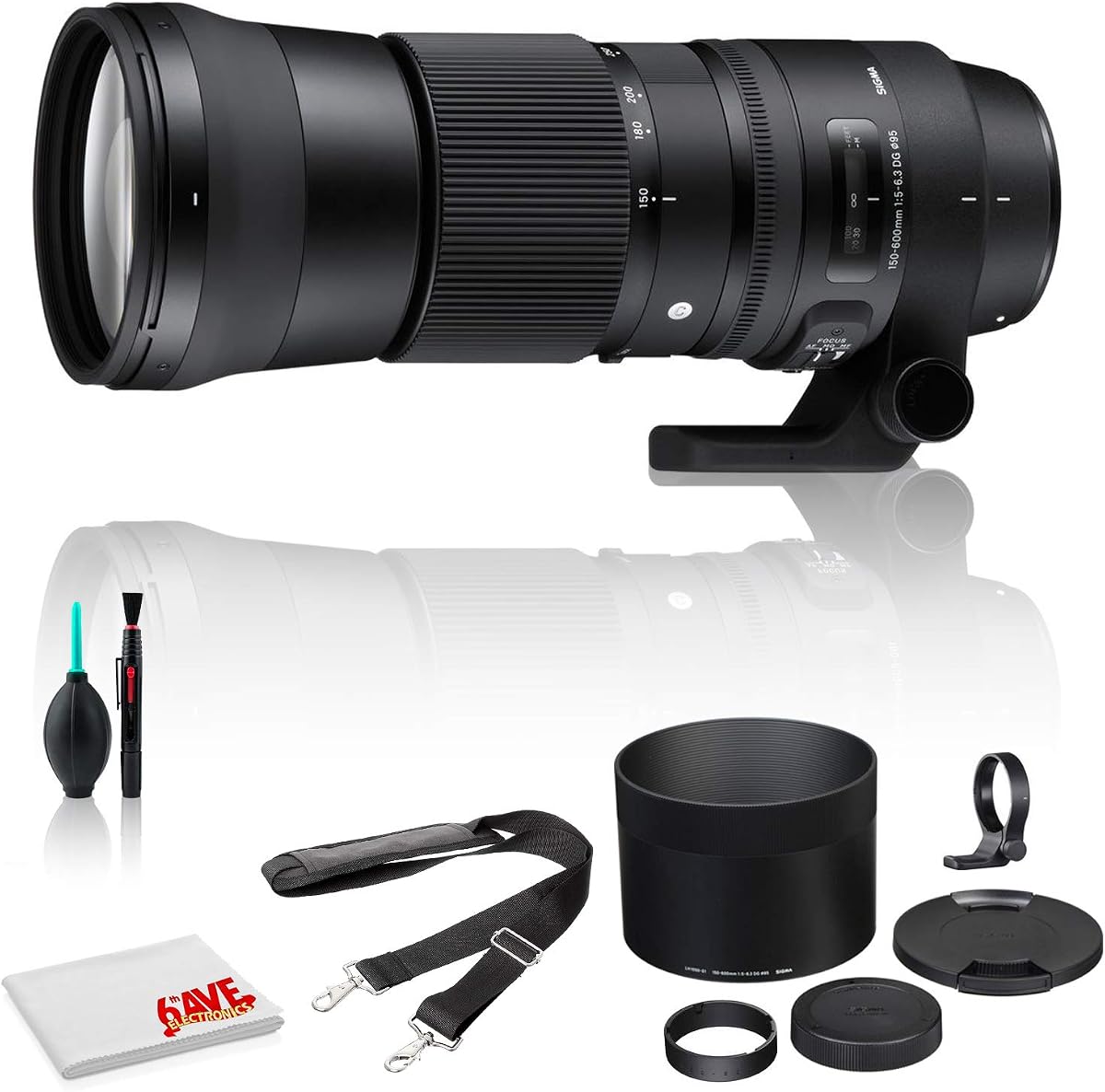
Sigma offers a compelling alternative with a wide zoom range at a lower price than Canon. The bundle includes a cleaning kit for basic maintenance on the go.
We may earn a commission when you buy through this link, at no additional cost to you.
The HSM motor provides fast autofocus suitable for birds and moving wildlife. Optical Stabilizer keeps shots steady during handheld use.
This lens is best for DSLR owners using EF mounts. It lacks compatibility with mirrorless systems without adapters, which adds bulk.
For cost-conscious users, it delivers solid performance without compromising on essential features. It is a strong choice for nature photographers using older DSLR bodies.
Sigma balances cost and quality, providing professional features at a more accessible price point for hobbyists.
Including a cleaning kit helps maintain optical clarity, ensuring long-term value for outdoor photographers.
We may earn a commission when you buy through this link, at no additional cost to you.
This lens offers extreme reach for the lowest price. It is designed for capturing distant subjects where budget is the primary constraint for nature photographers.
We may earn a commission when you buy through this link, at no additional cost to you.
The 2X converter pushes the reach to 1600mm, ideal for birds far in trees. However, image quality drops at maximum zoom due to manual optics.
Manual zoom and focus require patience but offer creative control. It is best used on a tripod to ensure sharp images at these extreme focal lengths.
Choose this for occasional use where reach trumps speed. It is a fun tool for learning telephoto basics without a large financial commitment.
The 1600mm equivalent allows you to frame subjects that are impossible to reach with standard lenses.
Entry-level pricing allows beginners to test telephoto needs before investing in professional glass.
We may earn a commission when you buy through this link, at no additional cost to you.
This compact lens is perfect for travel photography where weight matters. Its Nano USM motor ensures fast and silent focus for moving wildlife.
We may earn a commission when you buy through this link, at no additional cost to you.
The 5.5 stops of stabilization help keep handheld shots sharp in low light. It pairs well with R-series cameras for even better image stabilization.
The smaller aperture limits low light performance compared to L-series options. However, its portability makes it ideal for day hikes and casual use.
Buyers prioritizing weight and ease of use will find this lens excellent. It balances performance and convenience for the everyday nature photographer.
The compact design makes it easy to carry on long treks without causing fatigue.
Fast autofocus ensures you never miss fleeting moments of wildlife activity in the field.
We may earn a commission when you buy through this link, at no additional cost to you.
This is a classic budget lens for those stepping into telephoto photography. It is lightweight and easy to carry for basic wildlife shots.
We may earn a commission when you buy through this link, at no additional cost to you.
The 300mm range is helpful for closer subjects but may not reach distant animals. It is best used in good light to compensate for the lack of stabilization.
Manual zooming is smooth and requires little effort. Image quality is decent for the price but falls short of professional options.
Perfect for beginners wanting to try longer focal lengths. It is a cost-effective way to explore telephoto photography before upgrading.
Its low cost and weight make it an ideal first telephoto lens for beginners learning the basics.
The light build ensures comfortable handling during extended shooting sessions without wrist strain.
We may earn a commission when you buy through this link, at no additional cost to you.
Nikon users benefit from this reliable telephoto zoom with strong stabilization. The bundle adds useful filters for versatile outdoor shooting.
We may earn a commission when you buy through this link, at no additional cost to you.
The Silent Wave Motor ensures quiet and fast autofocus for tracking wildlife. ED elements reduce chromatic aberration for sharper images.
The lens is heavy and requires a sturdy tripod. However, it offers excellent reach and sharpness for the price.
This lens is a top choice for Nikon shooters wanting professional reach. It delivers consistent results for sports and wildlife photography.
Silent autofocus prevents disturbing wildlife while allowing precise tracking of fast subjects.
Included accessories save money and add value, making it a complete package for new buyers.
We may earn a commission when you buy through this link, at no additional cost to you.
Renewed versions offer a budget-friendly way to own this classic lens. They are inspected to ensure reliability for basic wildlife photography needs.
We may earn a commission when you buy through this link, at no additional cost to you.
The performance matches new units for most shooters. The smooth zoom mechanism and lightweight build make it easy to carry.
Buying renewed means accepting minor cosmetic wear. But for a budget buyer, the savings are significant compared to buying new.
Ideal for those wanting a used lens without the risk. It is a smart choice for testing telephoto needs at a lower cost.
Renewed products are tested for functionality, ensuring you receive a working lens with guaranteed performance.
Choosing renewed saves money, allowing you to invest in other gear like tripods or memory cards.
We may earn a commission when you buy through this link, at no additional cost to you.
Choosing the right lens involves balancing reach, aperture, weight, and budget to suit your specific photography style.
Focal length determines how close you can get to distant wildlife. Longer lenses like 800mm allow tighter shots but may be heavier.
Choose a range that matches your subjects. For birds, 400mm or more is essential for detailed shots.
IS helps reduce shake at long focal lengths. Look for lenses with at least 4 to 5 stops of correction for handheld success.
Without stabilization, sharp images require fast shutter speeds or tripods which may limit mobility.
Larger apertures like f/4 allow better low light performance and faster shutter speeds. Smaller apertures save weight but reduce light.
For wildlife often active at dawn or dusk, a wider aperture ensures faster and sharper captures.
Fast autofocus like USM or Nano USM tracks moving subjects effectively. Manual focus is slower and best for static scenes.
Ensure the lens motor is silent to avoid disturbing shy wildlife during the shoot.
Heavier lenses provide stability but tire your arms faster. Lightweight options are easier to carry on hikes.
Weather sealing adds durability for outdoor use in dust and rain which is critical for wildlife.
Match the lens to your camera mount such as RF for mirrorless or EF for DSLR. Some require adapters for compatibility.
Using the correct mount ensures all features like stabilization and autofocus work correctly.
Lenses range from entry level to professional. Set a budget that balances cost with needed performance.
Sometimes mid-range lenses offer the best value for most photographers without overspending.
Bundles with filters or memory cards add value and save extra purchase costs later.
Check what accessories are included to see if the total package fits your needs.
Always secure the lens on a sturdy tripod or monopod to maximize sharpness at long focal lengths. Handheld shooting can introduce blur at high zoom.
Clean the lens glass gently with a microfiber cloth to remove dust or smudges. Avoid harsh chemicals that may damage optical coatings.
Store the lens in a dry case with silica gel to prevent moisture buildup. Keeping caps on protects the glass from scratches during transport.
For bird photography, a focal length of at least 400mm is recommended. This allows you to capture detailed shots of birds from a safe distance without disturbing them. Lenses reaching 600mm or 800mm provide even more reach for smaller species.
Yes, image stabilization is crucial for wildlife lenses because it reduces camera shake at long focal lengths. Without it, your images may blur unless you use a tripod or very fast shutter speeds. Look for lenses offering at least 4 stops of stabilization.
You can use DSLR lenses on mirrorless cameras with an adapter like the Canon EF to RF adapter. This allows compatibility while retaining autofocus and image stabilization features. However, native RF lenses often perform better.
Protect your lens by using UV filters to shield the front element from scratches and dust. Keep the rear lens cap on when not shooting to prevent debris from entering the mount. Store it in a padded case during transport.
Prime lenses have a fixed focal length while zoom lenses allow you to adjust the focal length. Zoom lenses offer flexibility for wildlife photography when subjects move unexpectedly. Primes often have larger apertures for low light performance.
Telephoto lenses cost more due to complex optical designs requiring specialized glass and precise engineering. They demand higher tolerance for sharpness and color accuracy at long ranges. Additionally, build quality and stabilization add to the manufacturing cost.
The Canon RF 200-800mm Bundle stands out as the top choice for its unmatched reach and stabilization. It is ideal for serious wildlife shooters wanting the best optical performance.
Budget buyers should consider the manual lenses for extreme reach or the RF100-400mm for lightweight convenience. Choose based on your specific needs and camera system.
Always check current prices before buying as discounts and bundles change frequently. Investing in the right lens ensures you capture stunning wildlife photos for years to come.