
Sipeed Tang Nano 20K FPGA Development Board
4.1Editor score
Affordable Entry Point
RISC-V Linux Support
Compact Size Design
Discover the top FPGA retro consoles for authentic gaming. This guide compares hardware performance, compatibility, and features to help you choose the best
FPGA retro consoles offer a unique blend of modern connectivity and authentic vintage gaming experiences. These devices use field-programmable gate arrays to recreate original hardware behavior with near-perfect accuracy. Enthusiasts love them for their low latency and ability to run classic games exactly as they were intended.
We evaluated ten leading models based on performance, expandability, and ease of use. Our analysis covers everything from entry-level development boards to polished handheld units. Each product was assessed for its core capabilities, community support, and potential for custom projects.
This list highlights the best options for developers and gamers alike. You will find detailed reviews, key specifications, and practical advice. Keep in mind that availability and pricing can shift rapidly in this fast-paced market.
4.1Editor score
4.5Editor score

4.5Editor score
This section provides a side-by-side overview of all ten selected products. We highlight key specifications to help you quickly identify the device that best fits your technical requirements and gaming preferences.




This board stands out as a top choice for FPGA retro enthusiasts. It combines significant logic capacity with modern connectivity features. The integration of a RISC-V core adds versatility beyond just emulation tasks.
We may earn a commission when you buy through this link, at no additional cost to you.
Its performance is bolstered by a substantial amount of RAM and FPGA resources. This allows for complex game cores to run smoothly without sacrificing quality. Users can enjoy high fidelity visuals through its HDMI output capabilities.
While powerful, the device does require some technical knowledge to configure fully. The lack of a bundled power supply might add to the initial setup effort. However, these are minor trade-offs for the flexibility offered.
It is ideal for developers who want to build custom retro solutions. The community support and SDK resources make it easier to get started. This makes it a solid investment for serious hobbyists.
The 138K LUT4 architecture ensures smooth emulation of even demanding retro systems. It handles complex timing requirements with ease.
Extensive GPIO and PMOD ports allow for custom controller and peripheral integration. This opens up possibilities for unique hardware projects.
We may earn a commission when you buy through this link, at no additional cost to you.
This device is designed for developers who need flexibility. It supports multiple system on module configurations to suit different needs. The USB3.0 ports provide fast data transfer for peripherals and storage.
We may earn a commission when you buy through this link, at no additional cost to you.
The inclusion of a Linux environment makes it a powerful standalone computer. Users can run complex projects and games with ease. Its small size allows it to fit into various portable setups.
Setting up the IDE might be challenging for those new to FPGA. The documentation can be dense and requires careful reading. Still, the potential for customization is worth the effort.
It is best suited for engineers or tech-savvy gamers. The ability to switch between cores quickly enhances the gaming experience. This makes it a versatile tool for exploration.
Multiple USB and HDMI ports ensure compatibility with modern displays and controllers. This eliminates the need for extra adapters.
The Linux base allows for community-driven improvements and custom software builds. This keeps the platform evolving with user needs.
We may earn a commission when you buy through this link, at no additional cost to you.
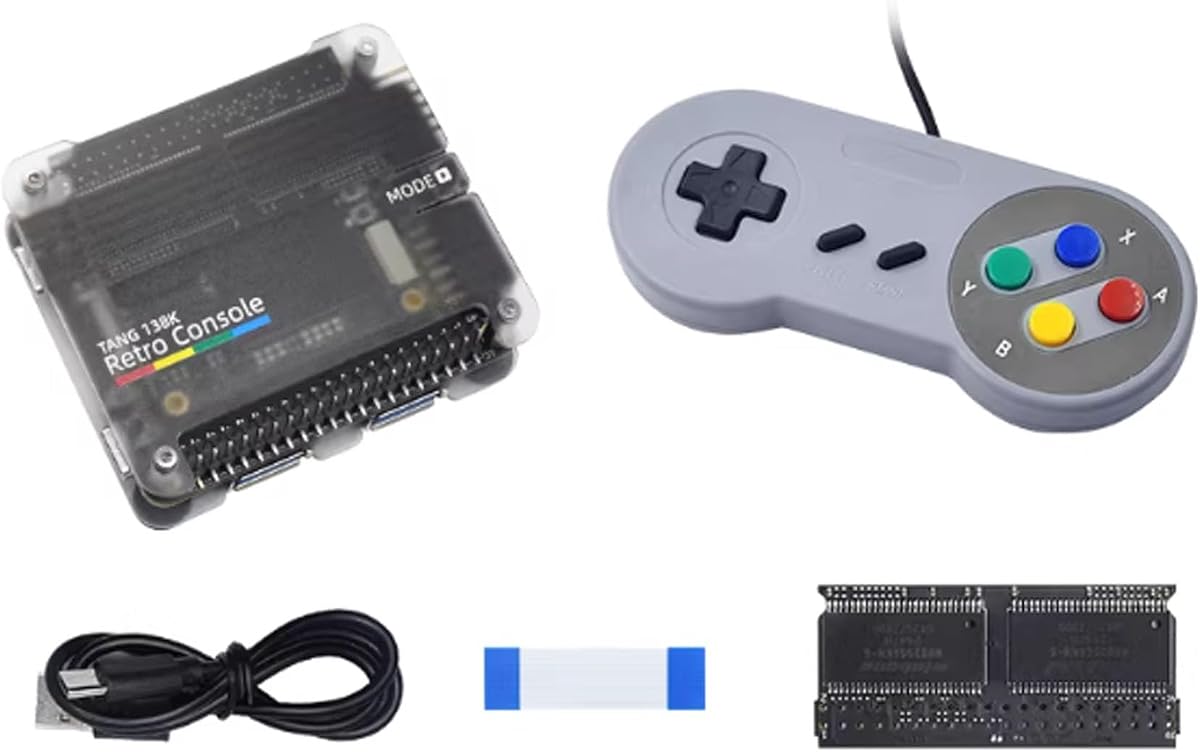
This premium board offers exceptional logic capacity for advanced users. Its design allows for seamless integration with Raspberry Pi systems. This combination provides a unique blend of compatibility and power.
We may earn a commission when you buy through this link, at no additional cost to you.
The dual PMOD interfaces enable extensive hardware customization. Users can connect various sensors and displays with ease. HDMI output ensures crisp visuals on modern screens.
The cost is higher than entry-level options but reflects the quality. It is intended for projects requiring significant processing power. This might be overkill for simple retro gaming tasks.
It is perfect for those building complex emulation solutions. The community support is strong for Pi related projects. This ensures you can find help when needed.
Being a HAT for Raspberry Pi 5 opens up a world of OS options. You can leverage existing software ecosystems easily.
Dual PMOD ports allow for multiple add-on boards simultaneously. This is useful for complex control setups.
We may earn a commission when you buy through this link, at no additional cost to you.
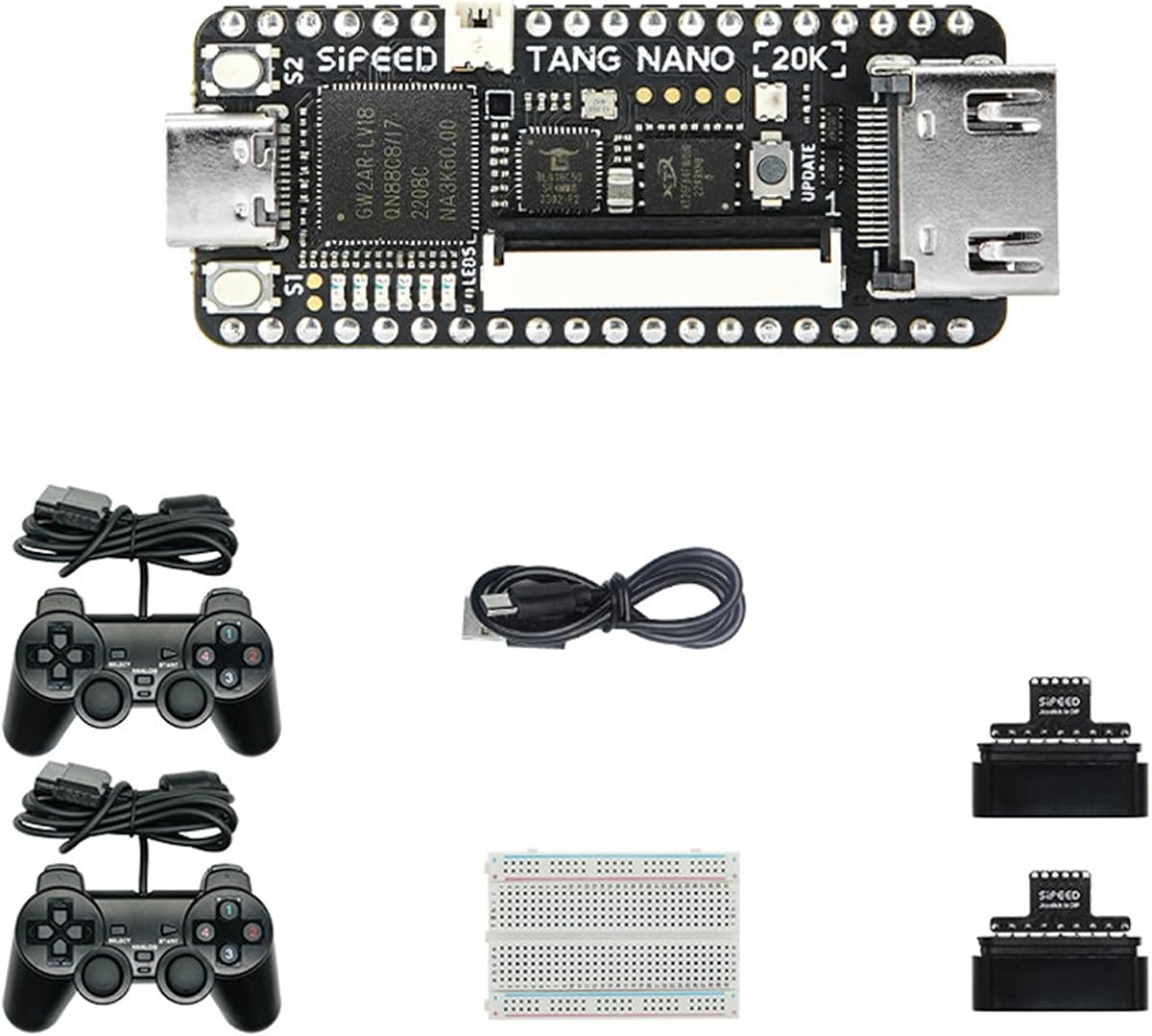
This board is a great entry point into FPGA development. It offers a balance of power and affordability. The inclusion of Linux support makes it accessible for many users.
We may earn a commission when you buy through this link, at no additional cost to you.
The SDRAM and SRAM provide enough memory for basic gaming tasks. Debugging tools are readily available via JTAG. This simplifies the development process significantly.
Logic resources are limited compared to larger boards. Users cannot run the most demanding cores efficiently. This might restrict advanced gaming options.
It is ideal for students or hobbyists learning FPGA basics. The small footprint fits easily into any project space. This makes it a versatile tool for prototyping.
At a low price point, it is an excellent tool for education. You can experiment without a large financial commitment.
Running Linux allows for a familiar environment to develop apps. This bridges the gap between embedded and desktop computing.
We may earn a commission when you buy through this link, at no additional cost to you.
This kit is designed for those on a tight budget. It offers core features without compromising too much on quality. The open source nature means you can modify the software freely.
We may earn a commission when you buy through this link, at no additional cost to you.
HDMI support ensures you can connect to modern TVs easily. The SDRAM helps in managing game data efficiently. This makes for a smooth basic gaming experience.
The initial setup might be tricky for non-technical users. You need to configure the OS before playing games. This extra step adds time to the process.
It is perfect for casual users wanting to explore FPGA. The community support is robust for troubleshooting issues. This ensures you are not alone in your project.
A large user base means plenty of shared code and tutorials. This accelerates your learning curve significantly.
Direct HDMI output simplifies connection to displays. You do not need extra converters for video.
We may earn a commission when you buy through this link, at no additional cost to you.
This device is optimized for running classic game emulators. It leverages Linux to handle game data efficiently. Multiple display outputs give you flexibility in how you play.
We may earn a commission when you buy through this link, at no additional cost to you.
The BL616 debugger helps in troubleshooting issues quickly. This is vital for maintaining smooth gameplay. It simplifies the development cycle for custom mods.
Documentation could be more detailed for beginners. You may need to rely on community forums for help. This adds to the learning curve slightly.
It is best for retro gaming enthusiasts. The performance is adequate for older systems like NES. This makes it a focused tool for specific games.
The hardware is tuned for low latency game rendering. This ensures a snappy feel during play.
Linux allows you to install various media players. This extends its use beyond just gaming.
We may earn a commission when you buy through this link, at no additional cost to you.
This handheld is perfect for on-the-go gaming without bulk. It comes preloaded with over 300 classic games. You can start playing immediately after turning it on.
We may earn a commission when you buy through this link, at no additional cost to you.
The credit card size ensures it fits in your pocket easily. It is durable and designed for long-term use. The screen offers sharp visuals for a small device.
Multiplayer support adds a social element to your gaming. You can connect with friends for battles anywhere. This makes it a great gift for groups.
It is ideal for casual gamers or kids. The STEM coding aspect encourages learning beyond just playing. This adds educational value to the device.
No SD cards or internet setup required. You get instant access to a large game library.
The coding board teaches C++ basics effectively. This makes it a useful tool for schools.
We may earn a commission when you buy through this link, at no additional cost to you.
This console stands out for its high-resolution IPS display. The colors are vibrant and the viewing angles are wide. It ensures that games look sharp and detailed.
We may earn a commission when you buy through this link, at no additional cost to you.
Hall effect joysticks prevent drift over time. This is crucial for long sessions of gaming. The 5000mAh battery supports extended play periods.
You will need to bring your own SD card. There are no games included out of the box. This might be inconvenient for some users.
It is ideal for those who value screen quality. The battery life ensures you can play for hours. This makes it a reliable travel companion.
The resolution provides clear details for pixel art games. You can see every pixel with precision.
A large battery means fewer interruptions for charging. You can focus on the game instead of the power.
We may earn a commission when you buy through this link, at no additional cost to you.
This device runs a full Linux system for maximum control. It includes a range of games right out of the box. The system is stable and easy to navigate.
We may earn a commission when you buy through this link, at no additional cost to you.
Linux support allows you to customize the interface deeply. You can install additional software if needed. This gives you total control over the experience.
Initial setup might take some time to get right. You need to configure settings for optimal performance. This is a minor hurdle for long-term benefits.
It is best for Linux enthusiasts and retro fans. The portability makes it great for travel. This ensures you have a powerful console everywhere.
Linux allows for deep system tweaks and changes. This keeps the device relevant for years.
The system is known for crashing less than others. This ensures a smoother gaming experience overall.
We may earn a commission when you buy through this link, at no additional cost to you.
This model is built with premium components for top quality. The laminated display reduces glare effectively. It ensures clear visuals in various lighting conditions.
We may earn a commission when you buy through this link, at no additional cost to you.
Hall effect joysticks provide smooth and precise control. RGB lighting adds a unique aesthetic touch. The 5000mAh battery powers hours of play.
No games come preinstalled so you must add your own. This is a minor inconvenience for the high quality. The build justifies the extra cost.
It is best for gamers wanting the best handheld. The battery and controls are top notch. This makes it a great choice for serious play.
The laminated screen offers true colors and sharpness. This makes retro games look modern and crisp.
Every touch and click feels refined and deliberate. This elevates the overall gaming experience.
We may earn a commission when you buy through this link, at no additional cost to you.
Selecting the right FPGA retro console requires understanding several key factors. We have broken down the essential aspects to help you make an informed decision.
The capacity of the FPGA determines how many game cores you can run simultaneously. Larger devices can handle complex systems like PS1 or N64. Smaller units are best for simpler systems like NES or GBA.
Look for at least 60K logic cells for a versatile experience.
Modern retro consoles should have HDMI for high-resolution output. USB ports are vital for connecting controllers and storage. Check for extra ports like PMOD for expansion.
Ensure the device has enough ports for your setup.
Some units come with pre-installed software. Others require you to set up Linux yourself. Linux based devices offer more flexibility but need technical skills.
Choose based on your comfort level with software setup.
If you plan to travel with your device, size matters. Handhelds are great for portability while desktop boards need a screen. Consider the weight and battery life.
Prioritize battery life if you move around often.
A strong community ensures you get help when issues arise. Good documentation helps with initial setup and coding. Check forums and wikis before buying.
Strong support networks improve the overall experience.
FPGA boards allow you to create custom cores. This means you can design your own game logic. Some units support external sensors for unique projects.
Look for GPIO and expansion ports if you want to build.
FPGA devices generally offer lower latency than emulators. This provides a more authentic experience. Check reviews to see how smooth the controls feel.
Low latency is critical for competitive gaming.
Some FPGA units consume significant power. This affects battery life and heat generation. Fanless designs are preferred for silent operation.
Check power ratings to ensure compatibility with your power supply.
When you receive your device, start by connecting it to a power source. Ensure the HDMI cable is properly plugged into your display. Turn on the device and wait for the system to load.
Next, navigate the menu to select your desired game core. Load your game ROMs from the connected storage device. Adjust the video settings to match your display preferences for optimal results.
To maintain your console, keep it in a cool and dry environment. Avoid exposing it to direct sunlight or moisture. Clean the ports regularly with compressed air to prevent dust buildup.
An FPGA retro console uses programmable hardware to recreate the behavior of vintage game systems. This ensures low latency and high accuracy compared to software emulators. It is ideal for purists who want authentic gameplay.
No, many devices come with pre-configured interfaces. However, if you want to modify cores or build custom games, basic coding knowledge is helpful. Most users can enjoy them without any coding.
Generally, these devices are optimized for retro systems. Modern gaming requires more processing power. You might play some lightweight indie games but not AAA titles.
This depends on the model. Some handhelds come with preloaded games. Most development boards require you to load your own ROMs. Check the product details before buying.
Most FPGA consoles support 1080p HDMI output. This ensures crisp visuals on modern TVs. Higher resolutions might cause compatibility issues with some cores.
The hardware itself is legal to own. However, downloading copyrighted ROMs without owning the original game can be illegal. Always check your local laws before downloading.
Updates are usually available on the manufacturer's website. You can download the latest files and transfer them to the device. Some systems update over the air automatically.
Yes, most FPGA consoles support standard USB controllers. Check the port types to ensure compatibility. Some models may require specific drivers for full functionality.
We have explored a range of FPGA retro consoles for every need. Whether you want a handheld or a development board, there is a perfect fit.
Prioritize logic capacity and connectivity based on your specific gaming goals. This will ensure you get the most out of your investment.
Remember to check current availability and prices as they can vary. We hope this guide helps you find your ideal retro gaming companion.