
Canon EOS Rebel T7 DSLR
4.6Editor score
24.1 megapixel sensor
Built-in WiFi connectivity
9-point AF system
This comprehensive guide compares the top cameras for dental photography including intraoral systems and DSLRs to help you choose the right imaging solution
Selecting the right camera for dental photography is crucial for accurate diagnostics and patient communication. High-quality images help dentists document cases clearly and build trust with patients through visual evidence of treatment needs.
We evaluated ten leading camera solutions ranging from specialized intraoral devices to versatile DSLRs and mirrorless systems. Each product was assessed on image clarity, ease of integration with dental software, and ergonomic design for clinical efficiency.
Every recommendation highlights specific strengths to match different practice needs and budgets. While we strive for accuracy, product specifications and availability can change. Please verify current details directly with the manufacturer before purchasing your imaging equipment.
4.6Editor score
4.4Editor score

4.5Editor score
The following comparison table breaks down the key specifications and features of each camera option to help you quickly identify which model aligns best with your clinical imaging requirements and workflow preferences.


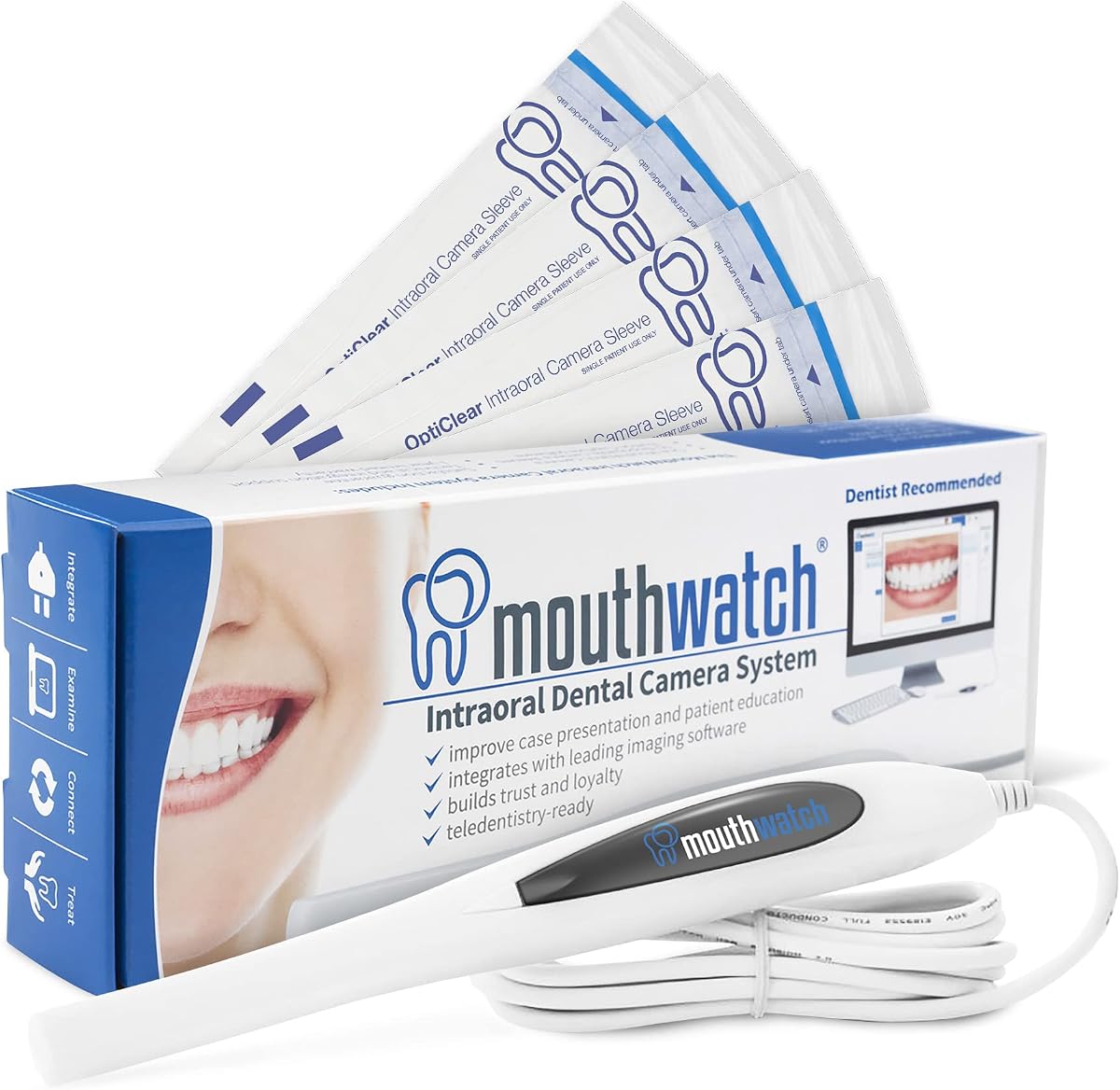
This intraoral camera ranks as our top pick for its dedicated dental functionality and ease of use. With a 4.4-star rating it delivers crystal clear images that help patients understand treatment needs without technical delays.
We may earn a commission when you buy through this link, at no additional cost to you.
The standout feature is its single-button operation which eliminates mouse or keyboard use during patient interactions. This streamlines the workflow significantly allowing staff to focus on care rather than camera settings. Integration with over fifty imaging suites ensures compatibility with most modern dental practices.
While the fixed focal distance might limit flexibility for some users it removes the frustration of autofocus hunting during critical moments. The lightweight build reduces hand fatigue during long procedures making it practical for daily clinical use.
We recommend this camera for clinics prioritizing speed and patient communication. If you need seamless integration with existing software like Eaglesoft or Dexis this model offers a reliable solution without requiring extensive IT setup or training.
The one-button capture ensures immediate image saving to patient charts reducing administrative overhead and increasing appointment throughput efficiency.
Sharp focused images help patients visually comprehend treatment plans leading to higher case acceptance rates and better informed decisions.
We may earn a commission when you buy through this link, at no additional cost to you.
The Canon EOS Rebel T7 offers a versatile alternative to dedicated dental cameras at a more accessible price point. Its 4.6-star rating reflects strong performance for general photography that can be adapted for oral documentation with proper accessories.
We may earn a commission when you buy through this link, at no additional cost to you.
Key strengths include the 24.1 megapixel sensor which captures fine details of dental structures when paired with macro lenses. Built-in WiFi allows quick transfers to smartphones or tablets facilitating immediate patient reviews or lab communications without cables.
Manual control is limited compared to pro models but the intelligent auto modes make it forgiving for users new to DSLR photography. The optical viewfinder provides a clear framing experience which helps maintain consistent composition across multiple patients.
This camera suits practices needing flexibility beyond standard intraoral shots such as before-and-after progress photos. Consider it if you want to expand imaging capabilities without investing in expensive proprietary dental systems.
Support for Canon EF and EF-S lenses allows upgrades to macro optics for enhanced detail capture when standard zoom falls short.
Built-in WiFi enables quick image sharing to mobile devices streamlining communication with labs and patients during consultations.
We may earn a commission when you buy through this link, at no additional cost to you.
This bundle version of the Canon Rebel T7 adds essential accessories that simplify setup for clinical environments. With the same 4.6-star rating it provides the core imaging power needed for high-quality dental documentation without extra shopping.
We may earn a commission when you buy through this link, at no additional cost to you.
The inclusion of a 64GB memory card ensures ample storage for numerous patient images reducing the need for immediate data management. A shoulder bag protects the camera during transport between operatory rooms or off-site consultations which enhances practicality.
While the camera itself shares the same optical strengths as the standard version the bundle adds convenience for busy practices. The LC-E10 battery charger supports extended sessions without constant interruptions for power swaps during critical documentation phases.
Ideal for clinics starting digital imaging from scratch this package reduces initial setup time. Ensure you also acquire appropriate ring flashes or macro lenses to match dental lighting requirements for optimal results.
Receiving the camera with storage and protection accessories allows immediate deployment in clinical settings without waiting for external orders.
Included battery and charger support full-day documentation sessions ensuring consistent power availability throughout busy clinical hours.
We may earn a commission when you buy through this link, at no additional cost to you.
The Canon EOS R50 represents a premium choice for practices wanting cutting-edge imaging technology. Its 4.5-star rating reflects robust performance in both stills and video which can support educational content or detailed case presentations.
We may earn a commission when you buy through this link, at no additional cost to you.
Key advantages include Dual Pixel CMOS AF II which covers nearly the entire frame for precise focus on teeth even in tight angles. The 4K video capability allows motion documentation of procedures or patient instructions adding depth to static photography.
Although more expensive the mirrorless form factor is lighter than DSLRs reducing fatigue during extended shooting sessions. The EVF provides a real-time preview of exposure settings ensuring accurate brightness without relying on trial-and-error adjustments.
Select this model if you plan to produce multimedia content alongside standard dental images. It suits forward-looking clinics willing to invest in future-proof technology that integrates seamlessly with mobile devices via Bluetooth pairing.
Deep learning technology tracks subjects automatically ensuring sharp focus on dental features even when lighting conditions change.
4K video recording enables dynamic case reviews and patient education materials that static photos alone cannot provide.
We may earn a commission when you buy through this link, at no additional cost to you.
The Sony ZV-1 is engineered for content creators but offers compelling features for dental documentation needing mobility. With a 4.3-star rating it balances portability with high image quality making it suitable for mobile dental services or quick consultations.
We may earn a commission when you buy through this link, at no additional cost to you.
Its ZEISS lens provides excellent sharpness and natural color reproduction which is essential for accurate shade matching and detailing. The flip-out LCD screen allows easy framing when holding the camera at awkward angles typical in oral exams.
A 3-capsule microphone captures clear audio which may be useful if recording verbal explanations alongside images. The lightweight under 300 gram design ensures comfort during prolonged use without the bulk of larger interchangeable lens cameras.
This camera works well for practices sharing educational content on social media or patient portals. However fixed lens limitations may restrict macro capabilities unless paired with specific close-up accessories for fine dental detail work.
Dedicated button switches focus to nearby objects automatically ensuring sharp imagery of dental tools or treatments without delay.
Built-in mic system isolates voice clearly allowing simultaneous audio notes with image documentation for comprehensive patient records.
We may earn a commission when you buy through this link, at no additional cost to you.
This 8K digital camera offers impressive specifications at a competitive price point for general imaging tasks. With a 4.0-star rating it provides high-resolution stills that can serve well for documentation when paired with proper lighting setups.
We may earn a commission when you buy through this link, at no additional cost to you.
The 88MP sensor captures fine details which is beneficial for inspecting small features in dental structures. Dual-lens design allows flexible angles while the touchscreen interface simplifies navigation for users unfamiliar with complex camera menus.
Included batteries and charging stand support continuous operation during multiple patient sessions reducing downtime. 8K video recording can also assist in recording procedures for training purposes though file sizes may be large.
Consider this option if budget constraints limit access to dedicated medical-grade devices. Ensure image stability and focus precision are adequate for your specific diagnostic needs before relying on it for clinical decisions.
88 megapixel sensor provides detailed images that support close-up analysis of dental features without excessive cropping.
Dual battery system ensures uninterrupted documentation during long appointments without needing immediate recharging or power sources.
We may earn a commission when you buy through this link, at no additional cost to you.
The DY-50 intraoral camera focuses on seamless integration with common dental software systems. Its 4.5-star rating highlights reliability and user satisfaction among practitioners needing consistent image capture for daily workflows.
We may earn a commission when you buy through this link, at no additional cost to you.
A key feature is the included capture button driver which ensures the hardware button functions directly within third-party applications like Eaglesoft or Dexis. This reduces dependency on keyboard shortcuts and maintains sterile contact protocols effectively.
The anti-fog lens minimizes condensation issues common in moist environments ensuring clear visibility without extra wiping. Weighing only 34 grams it remains comfortable in the hand during extended use without causing strain for assistants or dentists.
Ideal for practices already using supported software this camera offers a direct replacement for older units. Confirm your specific software version is listed before purchase to avoid compatibility issues or the need for custom setups.
Capture button drivers enable direct operation within existing dental management software eliminating workflow interruptions during patient exams.
Anti-fog lens maintains clarity in humid oral conditions reducing need for cleaning wipes during critical documentation steps.
We may earn a commission when you buy through this link, at no additional cost to you.
The DARYOU DY-60 intraoral camera emphasizes zoom flexibility for varied intraoral shots. With a 4.3-star rating it provides solid performance for capturing both broad views and specific areas without moving the hand significantly.
We may earn a commission when you buy through this link, at no additional cost to you.
The 4X zoom allows clinicians to adjust magnification quickly focusing on single teeth or whole arches efficiently. 720P HD resolution ensures clear visibility of surfaces and margins which supports accurate assessments during treatment planning.
Software compatibility mirrors other intraoral options supporting major suites like Dexis and Carestream without extra hardware. This reduces setup time and ensures the camera integrates smoothly into existing clinical documentation workflows seamlessly.
Best suited for clinics needing a middle ground between standard fixed cameras and expensive DSLRs. If detailed macro work is rare this zoom capability adds versatility without the complexity of external ring flashes or macro lenses.
4X zoom allows quick adjustment between broad arch views and detailed tooth inspections without repositioning the handpiece repeatedly.
Broad support for dental imaging suites ensures seamless integration with existing clinical systems without additional middleware.
We may earn a commission when you buy through this link, at no additional cost to you.
This system combines an intraoral camera with a dedicated touchscreen computer offering an all-in-one solution for digital imaging. It focuses on workflow efficiency through features like QR code transfers and split-screen comparisons for patient presentations.
We may earn a commission when you buy through this link, at no additional cost to you.
The 17-inch display enables side-by-side comparisons which is useful for showing before-and-after results instantly. QR code functionality allows immediate transfer to mobile devices simplifying patient education without complicated cabling or file sharing steps.
The slim 5mm camera design improves access in tight oral spaces while maintaining HD imaging quality. Minimal setup requirements mean clinics can start documenting cases quickly after unboxing without extensive IT configuration.
Ideal for practices wanting a unified system without integrating separate monitors or computers. Verify current availability and ratings as this product may be newer and less widely reviewed than established market options.
Integrated computer with touchscreen streamlines workflow by combining image capture and review on a single connected unit.
QR code transfer enables instant patient device access to photos simplifying communication and consent processes efficiently.
We may earn a commission when you buy through this link, at no additional cost to you.
This dental photography aid is a lighting accessory designed to enhance imaging with smartphones or existing cameras. With a 4.6-star rating it addresses common lighting challenges in clinical settings ensuring consistent illumination across all procedures.
We may earn a commission when you buy through this link, at no additional cost to you.
The omni directional support bar allows flexible positioning to illuminate oral cavities evenly reducing shadows that obscure details. Adjustable brightness ensures you can tailor light intensity to different environments without washing out the image quality.
Lightweight and portable with a convenient carrying case it suits mobile practices or shared rooms where quick setup is essential. USB charging capability ensures long-lasting use without reliance on disposable batteries which reduce waste and cost.
Consider this if you already have a camera but need better illumination for professional-grade results. It complements existing setups rather than replacing them making it a cost-effective upgrade for improving photo clarity.
Omni directional bar allows precise light positioning to eliminate shadows inside the oral cavity for consistent documentation.
USB charging support ensures extended use without battery replacements making it reliable for mobile or shared clinic settings.
We may earn a commission when you buy through this link, at no additional cost to you.
Selecting the right imaging equipment involves balancing technical specifications with clinical workflow needs. Below are key factors to evaluate before making your decision.
High resolution ensures fine details like tooth margins or fractures are clearly visible for accurate diagnosis. Larger sensors generally perform better in low light and produce more natural colors which is critical for shade matching in restorative work.
Prioritize cameras with at least 20 megapixels for DSLRs or proven intraoral sensors that deliver consistent sharpness without noise.
A camera must work seamlessly with your existing practice management or imaging software to avoid manual transfers. Check the manufacturers compatibility list for specific suites like Eaglesoft Dexis or Dentrix to ensure button drivers and capture functions integrate properly.
If integration is complex or requires extra middleware it can slow down your workflow and increase IT support costs over time.
Comfort during prolonged use is essential especially for assistants who document multiple patients daily. Lightweight intraoral cameras reduce hand fatigue and improve stability which leads to clearer images. DSLRs may be heavier but offer flexibility for varied shooting angles.
Select a model that feels comfortable in your hand and allows steady positioning during the entire documentation process.
Proper illumination is as important as the camera itself. Built-in flashes may not reach deep oral cavities effectively so ring flashes or specialized LED lights are often necessary. Look for systems that offer adjustable brightness and diffuse light to prevent glare.
Invest in compatible lighting accessories if the camera kit does not include adequate illumination for clinical needs.
Quick transfer of images to patient charts saves valuable time during appointments. Cameras with built-in WiFi or Bluetooth allow direct sharing to tablets or computers without cables. USB direct connects offer reliable wired options if wireless security is a concern.
Ensure transfer speed matches your workflow pace to avoid delays during patient consultations or lab handoffs.
Consider the full cost including necessary lenses software licenses and accessories rather than just the camera price. Intraoral systems may have higher upfront costs but reduce long-term software overhead compared to general DSLRs needing additional integration.
Set a realistic budget that covers all required components to avoid partial setups that fail to meet clinical standards.
Video documentation adds value for teaching or patient education beyond static images. If you plan to create multimedia content choose a camera that supports at least 1080p or 4K recording with stable autofocus.
Verify video file sizes and storage needs since high-resolution footage can quickly fill memory cards or network drives.
Clinical equipment often faces heavy daily use so reliable warranty coverage and responsive support are essential. Look for manufacturers offering lifetime customer service or dedicated dental tech support to resolve integration issues quickly.
Check return policies and repair timelines to ensure minimal disruption to your practice in case of hardware failure.
Before each use clean the lens and camera body with approved disinfectant wipes to maintain hygiene standards and prevent cross-contamination. Ensure the camera is securely connected to your computer or tablet and that drivers are installed correctly.
During documentation position the camera steadily using a stable grip or holder to prevent blur. Adjust lighting to avoid glare and ensure the entire area of interest is within the frame. Take multiple angles for comprehensive records.
After use store the camera in a protective case away from moisture and extreme temperatures. Regularly update firmware and software to maintain security and performance. Back up images to a secure cloud or local server daily to prevent data loss.
Intraoral cameras are specialized for close-up internal shots with easy integration to dental software. DSLRs offer higher resolution and versatility but require more setup and lighting accessories. Intraoral options are typically faster for routine check-ups while DSLRs suit detailed cosmetic documentation.
Most intraoral cameras come with proprietary capture software but compatibility with your existing practice management system is critical. Always verify that the manufacturer supports your specific software suite before purchasing to avoid integration issues.
Lighting is just as important as the camera itself. Poor lighting causes shadows and glare that obscure details. Dedicated ring flashes or LED kits designed for dentistry ensure consistent illumination across all clinical images.
Smartphones can work with adapters and dedicated lighting kits but lack the optical quality of dedicated cameras. They are suitable for quick documentation or education but not recommended for formal clinical records requiring high precision.
At least 20 megapixels for still images ensures fine details are captured clearly for analysis and lab communication. Lower resolutions may suffice for casual photos but risk missing subtle diagnostic details.
Many cameras offer direct integration using capture drivers within your software. Others use standard image file transfers via USB or WiFi which require manual importing. Check if your software supports direct camera drivers for automation.
Wireless transfers should use encrypted connections like WPA2 to protect patient information. Verify compliance with HIPAA or local data regulations before using WiFi enabled devices in clinical environments.
We identified the Intraoral Camera Crystal Clear as the top pick for its seamless workflow integration and ease of use. The Canon EOS Rebel T7 offers a versatile budget option for clinics needing broader imaging flexibility.
Prioritize integration with your existing software and lighting compatibility over raw resolution. These factors directly impact efficiency and image quality more than megapixel counts alone in a clinical environment.
Prices and availability fluctuate frequently so confirm current details with manufacturers before purchasing. Choose a solution that aligns with your daily workflow needs to ensure long-term satisfaction and improved patient communication.