
GIGABYTE Radeon RX 9070 XT Gaming OC 16G
4.7Editor score
Affordable performance tier
16GB GDDR6 memory
Efficient cooling system
This guide compares the top 10 GPU for Davinci Resolve to help professionals choose the right graphics card for editing and rendering needs in 2026.
Selecting the right graphics card is essential for smooth video editing in DaVinci Resolve. A powerful GPU ensures fast rendering, real-time playback, and efficient color grading without lag.
We evaluated ten leading models based on architecture, memory capacity, and professional features. This list includes options for hobbyists, freelancers, and enterprise workstation users seeking performance.
Each pick highlights key strengths and ideal use cases for your workflow. Prices and availability change frequently, so verify current details before making your final purchase decision today.
4.7Editor score
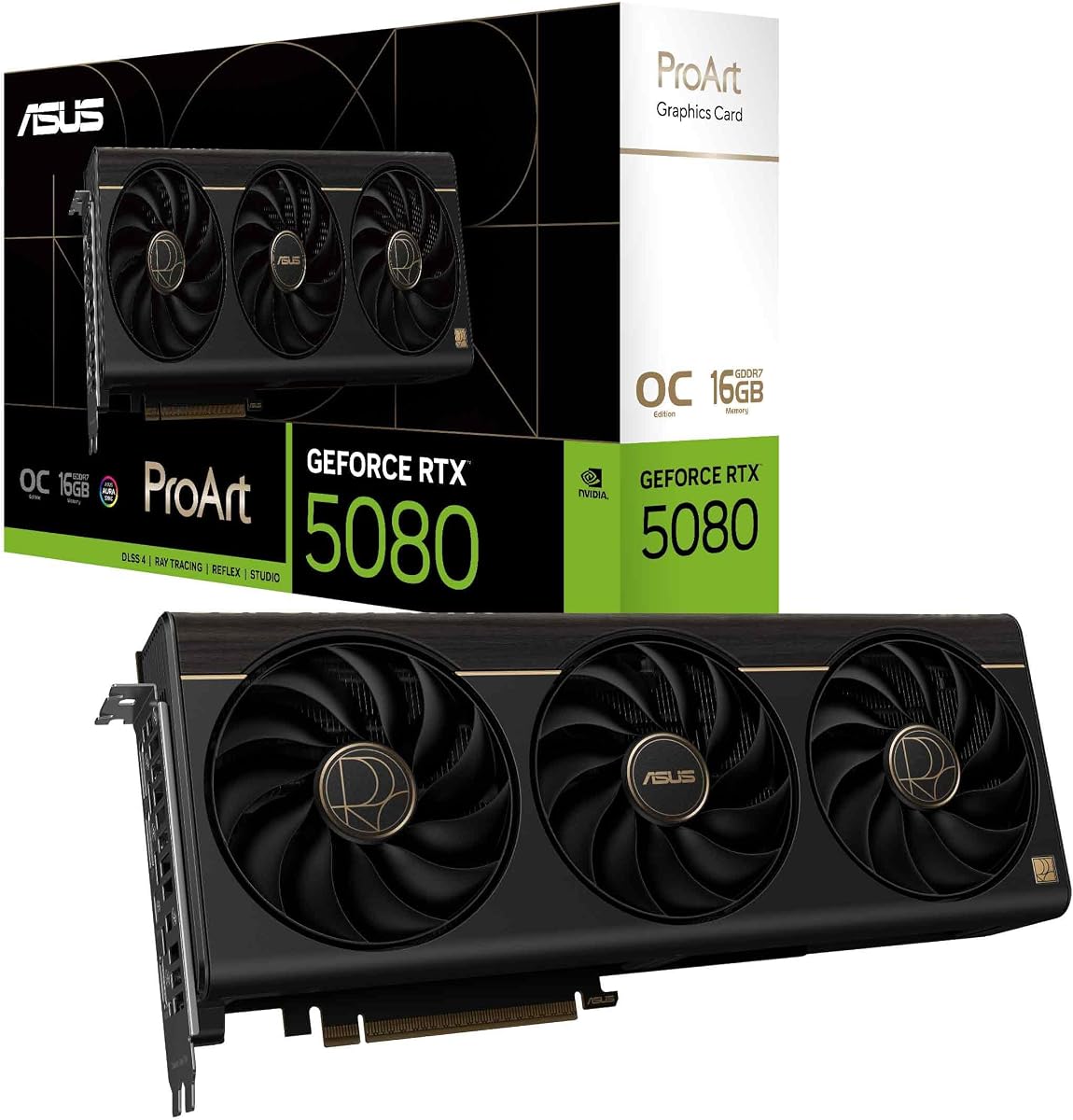
4.9Editor score

4.3Editor score
This table provides a side-by-side overview of specifications and key features for each model to help you compare performance capabilities at a glance.


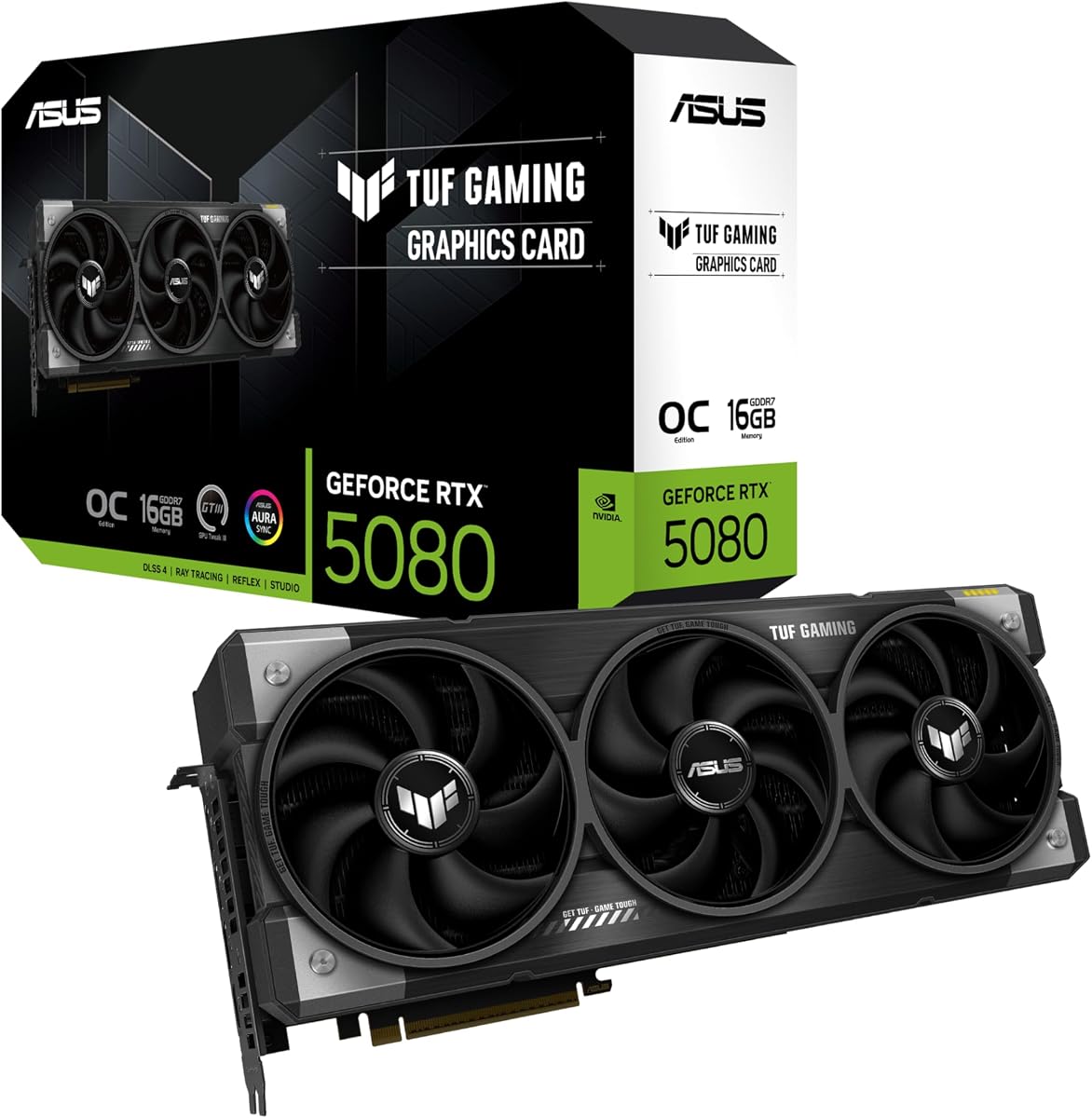


This ASUS ProArt card stands out with a 4.9 rating for delivering consistent performance in demanding DaVinci Resolve projects. It balances powerful hardware with a design built for professional workflows.
We may earn a commission when you buy through this link, at no additional cost to you.
It leverages the NVIDIA Blackwell architecture to ensure real-time playback of 4K timelines and fast rendering. The 16GB GDDR7 memory handles complex nodes without stuttering.
While it offers top performance, the cost is higher than gaming counterparts. The premium pricing is justified by the specialized ProArt features and robust thermal design.
If you need a reliable workstation GPU for professional color grading and VFX, this is a strong recommendation for your next upgrade cycle.
The MaxContact heatsink and vapor chamber design keep thermal throttling at bay even during long rendering sessions.
Features like the USB Type-C port add versatility for connecting high resolution displays or capture cards easily.
We may earn a commission when you buy through this link, at no additional cost to you.
This massive workstation card is rated for professional environments requiring extreme memory capacity and reliability. Its 96GB VRAM is unmatched for handling huge 8K datasets.
We may earn a commission when you buy through this link, at no additional cost to you.
The Blackwell architecture provides significant performance gains for AI tasks and rendering. ECC memory ensures data integrity during critical rendering jobs.
It is a significant investment and may be overkill for standard workflows. The high cost reflects its use in high-end enterprise data centers.
Select this if you manage multi-tenant rendering farms or need to process 8K RAW footage simultaneously on one system.
ECC memory and enterprise drivers ensure that long render jobs do not fail due to memory corruption.
PCIe Gen 5 support allows for extremely fast data transfer between the CPU and GPU for complex tasks.
We may earn a commission when you buy through this link, at no additional cost to you.
This card offers excellent value with a 4.7 rating and solid raw performance for the price point. It is a great entry to high-end editing.
We may earn a commission when you buy through this link, at no additional cost to you.
The 16GB GDDR6 memory provides a good buffer for complex timelines. Its gaming focus translates well to creative workloads.
It lacks the professional certification of workstation cards but performs well in practice. Ensure you check driver compatibility for specific Resolve features.
Ideal for freelancers who need strong performance without spending workstation-level budgets on a primary editing rig.
The price to performance ratio is high, making it accessible for independent creators starting out.
The WINDFORCE system keeps temperatures low even during extended playback sessions without much noise.
We may earn a commission when you buy through this link, at no additional cost to you.
This model brings the newest Blackwell architecture to mid range builds. It is reliable for general editing and color grading tasks.
We may earn a commission when you buy through this link, at no additional cost to you.
The GDDR7 memory improves bandwidth efficiency which helps with effects rendering. The cooling system is quiet enough for studio use.
It is more expensive than older generations but offers better efficiency. Gaming branding may not fit every aesthetic preference.
A great choice if you want high-end features without the premium cost of workstation specific SKUs.
GDDR7 technology ensures that large assets are loaded quickly into VRAM for faster processing.
The WINDFORCE system is designed to maintain stable clock speeds under heavy load.
We may earn a commission when you buy through this link, at no additional cost to you.
This card is known for its rugged build quality and reliability during intense workloads. It fits well in mixed-use gaming and editing PCs.
We may earn a commission when you buy through this link, at no additional cost to you.
The phase-change thermal pads ensure consistent performance. The military-grade parts give confidence in longevity.
It is larger than standard cards so case clearance is important. The cooling is very effective even with high power draws.
Choose this if you need a card that can handle heavy continuous use without throttling.
Protective PCB coating helps prevent moisture damage which is useful in humid environments.
Thermal pads help keep the GPU cool during long rendering jobs without noise spikes.
We may earn a commission when you buy through this link, at no additional cost to you.
This card is optimized for creators who need more than 16GB of VRAM. The 32GB buffer is ideal for heavy timelines.
We may earn a commission when you buy through this link, at no additional cost to you.
It uses RDNA 4 with dedicated AI accelerators for faster processing. The blower design helps in multi-GPU cases.
It is loud when under load due to the blower fan. Price is high compared to gaming cards with similar specs.
Perfect for multi-GPU setups where standard gaming cards would not fit or cool well in a rack.
The blower cooler ensures heat is exhausted directly out of the case in dense systems.
Dedicated AI accelerators improve performance for machine learning and noise reduction tasks.
We may earn a commission when you buy through this link, at no additional cost to you.
This professional card provides stability for mixed workflows beyond just video. It is a solid choice for 3D artists.
We may earn a commission when you buy through this link, at no additional cost to you.
RT cores help with rendering in Resolve if used. Drivers are certified to avoid crashes during long work.
It is an older model so it is less efficient than new Blackwell cards. Memory is lower than modern standards.
Good if you need a workstation card for mixed 3D and video work on a budget.
Certified drivers ensure that critical applications run smoothly without unexpected crashes.
RT cores allow for real-time ray tracing previews in compatible applications.
We may earn a commission when you buy through this link, at no additional cost to you.
This compact card is perfect for small form factor builds. It balances size with enough power for moderate work.
We may earn a commission when you buy through this link, at no additional cost to you.
It features 16GB of fast memory for its class. The small size allows it to fit in tight chassis.
It is less powerful than flagship models so expect longer render times. Ideal for entry-level users.
Choose this if you are building a silent or portable editing workstation in a small case.
The small footprint allows for easy build in cases with limited clearance.
0dB technology stops the fans at low loads for a quiet studio environment.
We may earn a commission when you buy through this link, at no additional cost to you.
This legacy high-end card is known for its 24GB of memory. It is powerful but older and less efficient.
We may earn a commission when you buy through this link, at no additional cost to you.
It has good Tensor cores for AI tasks and handles heavy loads well. It is robust for continuous use.
It consumes significant power which impacts energy bills. It is hard to find new and may not be the best buy.
Useful for existing owners upgrading but new buyers may prefer modern options for better efficiency.
24GB VRAM allows for massive textures and high-resolution timelines without constant caching.
High power draw means a larger PSU is needed which may increase overall system cost.
We may earn a commission when you buy through this link, at no additional cost to you.
This is a strong alternative for those wanting high VRAM on a budget. It has 24GB for the price.
We may earn a commission when you buy through this link, at no additional cost to you.
It includes AV1 encoding which is useful for exporting video files. Good for Linux multi-GPU tasks.
Driver maturity may still be growing compared to NVIDIA options. Fans can be loud in small cases.
A solid pick if you need memory capacity and multi-monitor support without a high cost.
Hardware AV1 support ensures efficient encoding for modern web streaming formats.
Four DisplayPort outputs allow for complex multi-monitor setups for editing.
We may earn a commission when you buy through this link, at no additional cost to you.
Selecting the right GPU involves weighing memory capacity architecture and professional certification against your budget and project needs.
Memory is vital for storing textures and frames for real-time playback. Aim for at least 16GB for 4K projects and 32GB+ for 8K workflows.
More VRAM means fewer slowdowns when handling complex timelines and multiple effects.
Modern architectures like Blackwell or RDNA 4 include specific accelerators for AI and ray tracing. These speed up noise reduction and rendering.
Newer generations offer better efficiency and performance per watt for long editing sessions.
Professional cards offer certified drivers for stability which is key for enterprise work. Gaming cards often provide better raw performance at lower costs.
Choose workstation models if you need reliability and gaming models for cost efficiency.
High performance GPUs require significant power. Check your PSU wattage and connector types before buying to avoid compatibility issues.
Ensure your case has enough airflow to handle the increased heat from a powerful card.
Cooling designs vary from large air coolers to blower fans. Blowers are better for multi-GPU cases but often louder.
Verify your case dimensions to ensure the card fits without obstructing other components.
Some features in DaVinci Resolve are optimized for specific vendor technologies like OpenCL or CUDA. Check your workflow dependencies.
Ensure the vendor provides regular driver updates to keep your system stable and compatible.
Modern GPUs support DisplayPort 2.1 for high-resolution displays. Check that you have enough ports for your monitor setup.
High bandwidth connectivity ensures your visuals remain smooth when driving 4K screens.
Investing in PCIe Gen 5 or newer standards helps keep your system relevant for future software updates. Higher specs today may save costs later.
Consider how long you plan to keep the hardware before choosing between budget and premium options.
Install the latest stable drivers from the vendor website to ensure compatibility with the latest DaVinci Resolve version. Clean installation helps avoid software conflicts.
Keep your system cool by cleaning dust from fans regularly and ensuring proper airflow. High temperatures can throttle performance and reduce component lifespan.
Use GPU settings in Resolve to balance playback and rendering loads. Adjust timeline caching to keep frames smooth during complex effects work.
For most professionals, the ASUS ProArt RTX 5080 offers the best balance of speed and stability. However, the RTX PRO 6000 is better for enterprise-level tasks requiring massive memory.
Not always. Gaming cards often perform similarly in many tasks. Professional cards are better for stability and certification in critical environments.
At least 16GB is recommended for 4K timelines to prevent stuttering. Higher resolutions like 8K may require 32GB or more for smooth performance.
Both support Resolve but NVIDIA is historically more optimized for CUDA features. AMD has improved but still lags in some specific effects acceleration.
Yes but Resolve supports multiple GPUs better on NVIDIA cards. AMD may show limited scaling. Ensure your PSU supports the extra load.
Absolutely. A strong GPU significantly speeds up rendering and playback compared to CPU only systems. It handles many real-time effects efficiently.
Look for compact cards like the Dual RTX 5060 Ti. These fit in smaller cases but may trade some cooling capacity for size.
They are worth it if you need certified stability and long hours of rendering. Casual users may find gaming cards sufficient for their needs.
We covered ten models ranging from budget-friendly gaming cards to enterprise workstations. Each offers unique strengths depending on your specific workflow needs.
Prioritize memory capacity and architecture when choosing. Ensure your power supply and cooling can support your new hardware.
Check current prices and availability before buying as they can change often. This guide aims to help you make an informed decision for your setup.