
M350 AUPHY Mechanical Metronome
4.4Editor score
High strength PC material
Accent bell with multiple modes
Lowered center of gravity
This guide compares the top mechanical metronome for piano options to help you find the perfect tool for rhythm training and tempo accuracy.
Finding the right mechanical metronome for piano can transform your practice sessions into focused and productive experiences. These classic devices offer a tangible connection to rhythm that digital apps often lack. Musicians value them for their reliability, timeless design, and the way they help internalize tempo without screen distractions.
We evaluated ten top-rated models based on precision, sound quality, build materials, and ease of use for both students and professionals. Our comparison considers how well each unit maintains consistent beats across various tempo ranges and whether it suits different instruments beyond the piano. This ensures you get a versatile tool for your musical journey.
Each pick highlights unique features like wind-up duration, accent bells, and aesthetic finishes to match your studio decor. Note that availability and pricing fluctuate frequently so check current listings before purchasing. We focus on lasting value and performance to help you choose a metronome that supports your growth as a musician over years of daily use.
4.4Editor score

4.5Editor score

4.6Editor score
This side by side comparison highlights the core specifications and distinctive attributes of each model to help you decide quickly based on your specific practice needs and budget constraints.

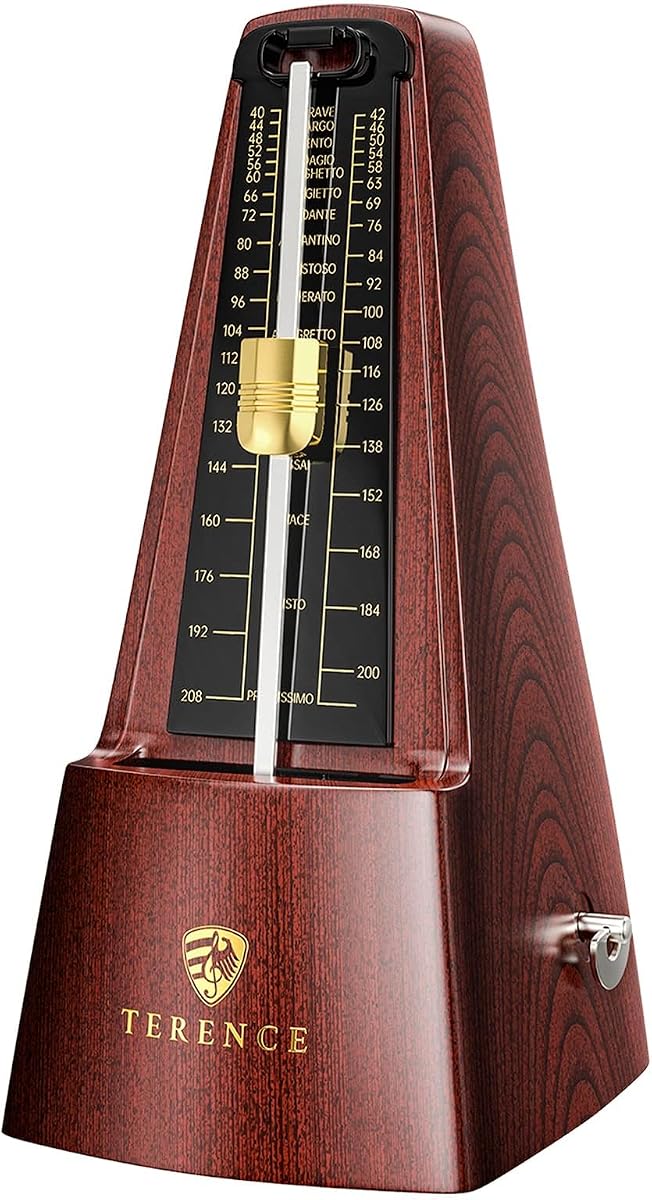


The Tempi mechanical metronome stands out as a top choice for pianists seeking a blend of classic aesthetics and reliable performance. With a 4.5 rating from users it delivers accurate timing and helps develop a firm sense of rhythm through its visible pendulum swing. This model is ideal for both adults and kids who want a device that looks great on a music stand.
We may earn a commission when you buy through this link, at no additional cost to you.
Its standout qualities include a steel gear system that ensures durability and long term accuracy without frequent calibration. The brown grain veneer finish gives it a classy look that complements home decor while serving as a functional practice tool. Users appreciate the twenty minute average wind time which reduces frustration during extended sessions.
While it costs more than budget options the build quality and added extras like the microfiber cleaning cloth justify the investment. The optional bell settings allow for flexible beat patterns but some might find the plastic casing less robust than all metal alternatives. These trade offs are acceptable given the overall precision and warranty support offered.
This metronome is perfect for musicians who value style alongside function and need a dependable rhythm guide for piano or other instruments. Its adjustable tempo and beat selection make it versatile for various practice needs. We recommend it as a long term tool for anyone serious about improving their musical timing and awareness.
The brown grain veneer exterior adds an elegant touch to your practice space while maintaining classic metronome styling.
Internal steel gears ensure the mechanism remains accurate over time reducing the need for repairs or replacements.
We may earn a commission when you buy through this link, at no additional cost to you.
The M350 AUPHY offers exceptional value for pianists on a budget without sacrificing essential features like accuracy and durability. With a 4.4 rating it provides classic styling and accurate beats that help beginners and instrumentalists improve their playing consistently. The high strength PC body ensures it can withstand daily use in a practice room.
We may earn a commission when you buy through this link, at no additional cost to you.
Key strengths include the accent bell which adds variety to rhythm training and the lowered center of gravity that keeps the unit stable during operation. The transparent dust cover protects the movement while allowing you to see the pendulum in action. Error control within one percent means you can trust the tempo settings for critical practice sessions.
The main trade off is the lighter plastic construction which may not feel as premium as all metal models but it remains durable enough for regular use. Some users note limited color options compared to competitors but the black finish is versatile and professional. These factors make it an excellent entry point for those new to mechanical metronomes.
We recommend this model for students or casual players who need a reliable tool without spending too much. Its ease of use and clear beat selection options make it suitable for piano and other instruments alike. It is a solid choice for building rhythm skills effectively and affordably.
The lowered center of gravity prevents tipping during use ensuring consistent performance even on uneven surfaces.
A transparent dust cover keeps the internal gears clean without obstructing your view of the pendulum movement.
We may earn a commission when you buy through this link, at no additional cost to you.
The Wittner 836 Taktell Piccolo represents the premium end of mechanical metronomes with its reputation for precision and durability. Rated 4.6 by users it offers a quiet and reliable rhythm guide that suits professional environments where noise reduction is essential. Its black plastic casing provides a sleek look that fits any studio setting.
We may earn a commission when you buy through this link, at no additional cost to you.
Standout qualities include its silent operation which eliminates the bell sound for those who prefer a pure click or visual cues only. The compact size makes it highly portable for musicians who travel or need to move between practice spaces easily. Wittner's German engineering ensures the mechanism stays accurate over years of use.
The lack of a bell feature may be a drawback for users who rely on accent beats for complex rhythms but many pros appreciate the simplicity. The higher price reflects the brand legacy and build quality though budget conscious buyers might find similar functions elsewhere. This is a worthwhile investment for serious pianists prioritizing reliability.
We suggest this model for professionals or advanced players who value tradition and quiet precision. Its straightforward operation and durable construction make it a timeless tool for maintaining tempo during performances or focused practice. It remains a gold standard in the mechanical metronome category.
Designed without a bell to provide a quiet clicking sound ideal for quiet practice rooms or recording sessions.
The small form factor allows for easy transport in a piano case or bag for on the go practice.
We may earn a commission when you buy through this link, at no additional cost to you.
The Ueteto Mechanical Metronome in black delivers a loud and clear sound that cuts through ambient noise during intense practice sessions. With a 4.4 rating it helps develop rhythm and tempo accuracy for piano and other instruments like drums or guitar. Its wind up mechanism means you never need to worry about batteries dying mid practice.
We may earn a commission when you buy through this link, at no additional cost to you.
Key strengths include its loud click which ensures you hear every beat even in a noisy room or with the piano playing loudly. The design is simple and functional making it easy for children and beginners to adjust tempo and beats without confusion. It offers a solid tempo range from 40 to 208 bpm for most needs.
While the look is basic compared to wood finish models the durability and sound quality make up for it. Some users note the wind up time depends on tempo so you may need to wind it more often for faster speeds. This is a minor inconvenience given the reliable performance and ease of use.
We recommend this for players in shared spaces or those who need a strong auditory cue. It is versatile enough for various instruments and provides a straightforward experience for daily rhythm training. This makes it a practical choice for schools or home studios.
Produces a strong sound that remains clear even over loud instrument noise ensuring you never lose the beat.
Works well with piano violin guitar and drums making it a single solution for multi instrument players.
We may earn a commission when you buy through this link, at no additional cost to you.
This mechanical metronome features a wood grain finish that adds warmth to your music space while delivering high precision beats for effective practice. Rated 4.4 it combines loud sound and stable performance to help beginners track tempo and rhythm accurately. The all metal movement ensures the gears stay reliable over long periods of use.
We may earn a commission when you buy through this link, at no additional cost to you.
Standout qualities include the metal movement pieces which reduce error and increase durability compared to plastic gears found in cheaper units. The loud sound makes it easy to hear during practice and the beat selection options cover common time signatures for most pieces. It is designed to be easy to use even for children.
While it costs more than entry level options the improved build quality and aesthetic appeal justify the cost for many users. Some note the body is still plastic which might not feel as premium as all wood models but the metal internals are a plus. This balance makes it a strong contender for style and function.
We suggest this for pianists who want a device that looks good on display and performs reliably for daily sessions. Its precision and ease of use make it suitable for students and casual players alike. It is a great way to start building solid rhythm habits.
All metal parts in the movement prevent wear and tear ensuring consistent tempo accuracy over years of use.
The wood grain exterior adds a classic elegant touch that complements traditional piano and music room decor.
We may earn a commission when you buy through this link, at no additional cost to you.
This model offers a classic walnut color that brings elegance to your practice room while providing loud and high precision beats for rhythm training. With a 4.2 rating it meets daily practice needs for guitar piano violin and more. The metal movement design ensures the beat stays accurate without rust or corrosion over time.
We may earn a commission when you buy through this link, at no additional cost to you.
Key strengths include the high strength PC body with a transparent cover that protects the mechanism while letting you see the pendulum. The loud sound ensures you stay on beat and the simple operation steps make it accessible for beginners. It runs without batteries so you can use it anytime without charging or replacements.
The main trade off is a slightly lower rating than top models which may indicate minor inconsistencies in quality control. Some users find the winding instructions could be clearer but once set up it performs well. These issues are manageable and do not overshadow the overall value and functionality it offers.
We recommend this for those seeking a traditional look with reliable performance for multiple instruments. Its precision and loud sound make it a solid choice for regular practice sessions. It is an affordable way to maintain rhythm skills effectively.
The elegant walnut finish adds a touch of sophistication to your studio while remaining durable and practical.
Controlled error within one percent ensures the tempo stays true for accurate musical development and training.
We may earn a commission when you buy through this link, at no additional cost to you.
This universal metronome delivers a 4.6 rating for its durable build and compatibility with piano violin guitar and drums. It offers adjustable tempo and heavy bell sounds to meet various practice needs easily. The high hardness plastic and metal construction ensures stable performance and longevity for daily use.
We may earn a commission when you buy through this link, at no additional cost to you.
Standout qualities include the multiple color options that let you pick a style matching your decor or preference. The one year manufacturer warranty adds peace of mind for buyers concerned about defects. It is easy to use for children and beginners helping them improve rhythm sense quickly.
Some may find the bell sound quite loud which can be distracting in quiet rooms though it helps with attention. The black standard model is functional but less distinctive than wood finish alternatives. These minor points do not affect its core performance and value for most users.
We suggest this for students needing a reliable affordable tool for multiple instruments. Its durability and warranty make it a smart investment for consistent practice. It is a versatile choice for building rhythm skills.
Select from several colors to personalize your metronome and match your music room aesthetic preferences.
Works with most instruments making it a single tool for ensemble practice and multi instrument learning.
We may earn a commission when you buy through this link, at no additional cost to you.
The Ueteto Wood Grain model offers a traditional look with clear audible clicks that help you stay focused on notes during practice. With a 4.3 rating it covers a full tempo range and allows you to turn off the bell for quieter sessions. The loud tick provides a steady anchor for your rhythm work.
We may earn a commission when you buy through this link, at no additional cost to you.
Key strengths include the full range from 40 to 208 bpm and the ability to select or disable the bell for flexibility. It requires no batteries so you can rely on it anytime with a simple wind up. The wood grain finish adds a nice touch to your piano bench or shelf.
Some users find the wind up key feels a bit light which might affect the winding experience. The rating is good but not as high as top tier models suggesting minor quality variations. These are small issues that do not hinder its usefulness for most pianists.
We recommend this for those who want a classic look and solid performance without spending too much. Its versatile settings make it suitable for beginners and intermediate players alike. It is a dependable tool for daily rhythm training.
Produces a sharp clear sound that cuts through noise so you never lose the beat during practice.
The wood grain exterior gives it a classic appearance that fits well in traditional music settings.
We may earn a commission when you buy through this link, at no additional cost to you.
This transparent metronome features an upgraded all metal movement and copper pendulum for durability and clear beat tracking. Rated 4.0 it helps improve practice efficiency and rhythm consistency for piano violin and more. The transparent design allows you to see the gears and pendulum working while staying stylish.
We may earn a commission when you buy through this link, at no additional cost to you.
Key strengths include the all copper metal pendulum which resists rust and the strong metal knob for adjustment. The upgraded movement allows longer use without frequent winding. It is portable and great as a gift for teaching beginners rhythm basics in a fun way.
The lower rating suggests some quality inconsistencies or user preferences against transparent plastic which might yellow over time. However the internal metal parts provide good value for the price. These factors make it a niche choice for those who prioritize design aesthetics.
We suggest this for students or gift buyers who like a unique look and reliable internal mechanics. It is portable and works well for practice on the go. It offers a fun approach to learning tempo.
The clear material lets you see the internal gears and pendulum adding visual interest to your practice.
Copper pendulum and metal knobs ensure durability and resistance to corrosion over years of use.
We may earn a commission when you buy through this link, at no additional cost to you.
This model is one of the most affordable options providing loud sound and precise beats for various instruments including piano. With a 3.8 rating it offers engraved markings and five tempo settings to help you stay on beat during training. Its user friendly design allows new learners to start quickly.
We may earn a commission when you buy through this link, at no additional cost to you.
Standout qualities include the engraved markings which are easy to read and the wide application for students and professionals alike. It runs without batteries and delivers clear sound for efficient rhythm mastery. For the price it provides essential functions needed for basic practice.
The lower rating indicates some inconsistency in quality or sound clarity compared to higher end models. Build quality may vary by unit so checking reviews before buying is advised. These points are acceptable if you are on a tight budget and need a simple tool.
We recommend this for beginners or schools needing a low cost solution for rhythm basics. It covers the essentials and is simple to operate for most users. It is a practical entry level choice for practice.
Provides essential metronome features at a low cost making it accessible for students with limited budgets.
Engraved tempo markings are easy to read ensuring you can adjust speed quickly during sessions.
We may earn a commission when you buy through this link, at no additional cost to you.
Selecting the right mechanical metronome involves evaluating key factors that affect usability and longevity for your specific practice needs and environment.
A good mechanical metronome should cover a broad tempo range like 40 to 208 bpm to suit everything from slow scales to fast arpeggios. This flexibility ensures you can use the same device as you advance in skill or tackle diverse repertoire. Check the scale markings to ensure they are clear and easy to read during practice.
Look for models with a wide range to support your growth and avoid outgrowing the unit quickly.
The clarity and volume of the click are crucial for staying on beat especially if you practice with the piano or in a noisy room. Some models offer loud sounds or bells that cut through noise while others provide quieter options for focused sessions. Consider your environment when choosing between loud or subtle sound profiles.
Prioritize loud clear clicks if you need strong auditory cues to maintain rhythm during active playing.
Durability depends heavily on the materials used for the body and internal movement. Metal gears last longer and stay accurate while plastic may wear out faster over years of use. A combination of high strength PC and metal internals often offers the best balance of cost and longevity for most buyers.
Choose models with metal movement parts to ensure reliable performance and fewer repairs over time.
The length of time a fully wound metronome runs varies by model and tempo setting so check this before buying. Some offer up to 45 minutes on a full wind while others last only 10 minutes at high speeds. This affects how often you need to stop and wind it during long practice sessions.
Select a unit with longer wind times to reduce interruptions during extended practice periods.
Most mechanical metronomes offer options for 0 2 3 4 and 6 beats with accent bells on stronger beats for better rhythm feel. This feature helps you practice complex time signatures and phrasing without manual counting. Ensure the selection mechanism is easy to adjust without stopping the pendulum motion.
Look for models with clear beat accents to help internalize timing for varied musical pieces.
The look of your metronome can matter if it sits on your piano or desk as part of your studio decor. Wood grain or classic finishes add elegance while transparent or black plastic look more modern and understated. Choose a style that matches your personal taste and room layout for a pleasant practice vibe.
Pick a finish that complements your space to make the tool feel like part of your setup.
Beginners benefit from simple operations like a clear wind key and easy pendulum weight adjustment. Complicated steps can lead to frustration before you even start practicing. Check that the unit has clear instructions and intuitive controls for setting tempo and beats quickly.
Ensure the operation is straightforward to minimize setup time and maximize practice focus.
A solid warranty indicates the manufacturer stands behind the product and offers peace of mind against defects. Some brands provide one to two year coverage along with customer support for troubleshooting or replacement. This can save you money if the unit fails early or has issues.
Prioritize brands with clear warranties to protect your investment and ensure reliable service if needed.
To start using your mechanical metronome place it on a flat stable surface and pull out the bottom brake to release the pendulum. Remove the transparent cover if it has one and wind the key gently clockwise until you feel slight resistance to avoid damaging the spring.
Adjust the tempo by sliding the pendulum weight to your desired speed on the scale and set the beat count to 0 for basic clicks or higher numbers for accents. Flick the pendulum to one side and let it swing freely while you play along to maintain a steady rhythm during practice.
After use gently stop the pendulum and slide it to the lowest tempo to relieve tension on the spring. Store it in a dry place away from extreme temperatures to prevent damage to the internal gears. Clean the exterior with a soft dry cloth to keep the look pristine and prevent dust buildup.
No mechanical metronomes do not require batteries as they run on a wound spring mechanism. You simply wind the key to store energy and it ticks automatically for up to forty five minutes depending on tempo. This makes them reliable and independent of power sources.
An ideal range for piano is 40 to 208 beats per minute to cover slow scales to fast pieces. This allows flexibility as you progress and ensures the device suits both beginners and advanced players. Most quality models offer this full span for versatile training.
If the metronome loses beat it may be on an uneven surface or the pendulum weight is loose. Place it on a flat stable surface and ensure the weight is tightened or set to the correct tempo. Adjusting the base or checking the internal gears can resolve timing issues.
Yes most mechanical metronomes work for any instrument requiring rhythm practice such as guitar violin or drums. Their adjustable tempo and beat patterns suit a wide range of musical needs. This versatility makes them a smart investment for multi instrument players.
The click sound varies by model with some offering loud loud and others quieter tones for focused sessions. Loud versions cut through piano noise while subtle ones suit quiet rooms. Choose based on your environment and how strong an auditory cue you need.
No most modern mechanical metronomes are pre lubricated and do not require oiling. Adding oil can damage the gears or attract dust over time. If the unit slows down check for debris or ensure it was fully wound before use.
The Tempi AUPHY and Wittner models lead our list for their balance of accuracy durability and design that suits pianists of all levels. Each offers unique strengths like steel gears loud sound or classic looks to match your specific practice needs and studio style.
Prioritize factors like tempo range sound clarity and build materials to ensure you pick a metronome that lasts and supports your musical growth. A reliable rhythm guide helps you play accurately and develop timing habits that benefit every instrument you learn.
Prices and availability change often so check current listings to confirm the best deal before buying. This guide helps you narrow down options but always verify specs and user feedback for the most up to date information. Investing in a quality mechanical metronome is a small step with long term benefits for your piano practice.