
ASUS Vivobook 15
4.9Editor score
Intel Core i9-13900H
48GB DDR4 RAM
Included PCO Cooler bundle
Machine learning demands powerful hardware to handle complex algorithms and large datasets efficiently. Finding the right laptop requires balancing processing power, graphics capabilities, and memory to ensure smooth training and inference workflows without bottlenecks.
We evaluated ten top models based on processor speed, GPU VRAM, RAM capacity, and build quality. Our analysis focuses on real-world performance for data scientists and developers who need reliable tools for deep learning and predictive modeling tasks.
Each pick highlights specific strengths like thermal management, portability, or specialized workstation features. Prices and availability change frequently so check current listings before purchasing to ensure you get the best value for your technical requirements.
4.9Editor score

5.0Editor score

4.7Editor score
As an Amazon Associate we earn from qualifying purchases.
The following table provides a side-by-side comparison of all ten featured machines. It highlights key specifications including processors, memory, storage, and graphics to help you quickly identify the model that fits your specific machine learning needs.



The Dell Precision 7780 earns our top pick for its unmatched specifications tailored to demanding machine learning tasks. With a perfect 5.0 rating users praise its ability to handle large datasets and complex models without performance degradation.
We may earn a commission when you buy through this link, at no additional cost to you.
Its configuration includes a powerful i9 processor paired with 128GB of RAM ensuring seamless training of deep learning models. The NVIDIA RTX ADA 3500 GPU with 12GB VRAM provides the necessary acceleration for parallel computations required in modern AI workflows.
While the laptop is robust and carries a higher price tag the workstation-grade components justify the investment for professionals. The system is ISV certified ensuring stability with specialized software used in data science and engineering projects.
We recommend this machine for organizations and individual developers who prioritize raw power and reliability over portability. It stands as the ideal solution for those running intensive simulations locally rather than relying on cloud infrastructure.
The RTX ADA 3500 ensures stable performance for CAD and rendering tasks alongside machine learning training.
ISV certification guarantees compatibility with professional applications reducing downtime and errors during critical operations.
We may earn a commission when you buy through this link, at no additional cost to you.
The ASUS Vivobook 15 offers an incredible value proposition for students and entry-level data scientists needing robust specs. It achieves a near perfect 4.9 rating thanks to its exceptional balance of memory and storage at a fraction of workstation costs.
We may earn a commission when you buy through this link, at no additional cost to you.
Its 48GB of DDR4 RAM allows for efficient handling of multiple virtual machines and large data frames simultaneously. The included PCO Cooler is a unique feature designed to mitigate heat issues common in high-performance compact laptops.
However the lack of a dedicated GPU means it relies on integrated graphics which can slow down GPU-dependent training. Users may need to offload heavy computation to cloud services but the local setup supports preparation and lighter model work.
This laptop is perfect for those on a budget who still require significant memory and storage for their projects. It serves as an excellent starter machine for learning machine learning concepts before upgrading to a dedicated workstation.
The included PCO Cooler helps maintain peak frequencies during intense tasks preventing performance drops from overheating.
2TB of SSD storage ensures you can keep entire datasets and model libraries locally without external drives.
We may earn a commission when you buy through this link, at no additional cost to you.
Apple's 2026 MacBook Pro redefines portability and performance with its new M5 Pro chip designed specifically for on-device AI tasks. It holds a strong 4.7 rating for its ability to deliver professional power without the heavy thermal constraints of traditional PCs.
We may earn a commission when you buy through this link, at no additional cost to you.
The unified memory architecture allows the GPU and CPU to access data efficiently speeding up inference and training loops. With 24GB of memory and a powerful neural accelerator users can run sophisticated models locally with impressive speed.
While the memory configuration is fixed at purchase the efficiency of the chip reduces the need for excessive RAM in many workflows. The display offers stunning clarity for data visualization and the battery life ensures productivity throughout the day.
We recommend this laptop for professionals who value mobility and ecosystem integration alongside strong machine learning capabilities. It is particularly suitable for those using Apple-supported libraries or developing for Apple devices directly.
The M5 Pro chip includes neural accelerators that significantly boost performance for AI inference tasks.
Enjoy all-day power on a single charge allowing you to work anywhere without hunting for outlets.
We may earn a commission when you buy through this link, at no additional cost to you.
This variant of the Dell Precision 7780 prioritizes speed and memory over total storage making it a potent tool for design and data work. It delivers high-end performance with a top-tier processor and substantial memory for handling multiple applications seamlessly.
We may earn a commission when you buy through this link, at no additional cost to you.
The NVIDIA RTX ADA 3500 GPU ensures that rendering and 3D tasks run smoothly alongside machine learning operations. Its workstation design provides the stability needed for long-term projects without frequent crashes or slowdowns.
The 1TB SSD is fast but may fill quickly if working with massive raw datasets requiring frequent access. Users might need to add external storage for archives while keeping active projects on the fast internal drive.
This machine is ideal for architects and data analysts who need a balanced mix of graphics and computing power. It supports complex workflows that require both visual fidelity and heavy numerical computation simultaneously.
1TB PCIe NVMe SSD provides rapid read write speeds for quick access to active datasets and software.
A large screen allows for side by-side windowing when managing code editors and data dashboards.
We may earn a commission when you buy through this link, at no additional cost to you.
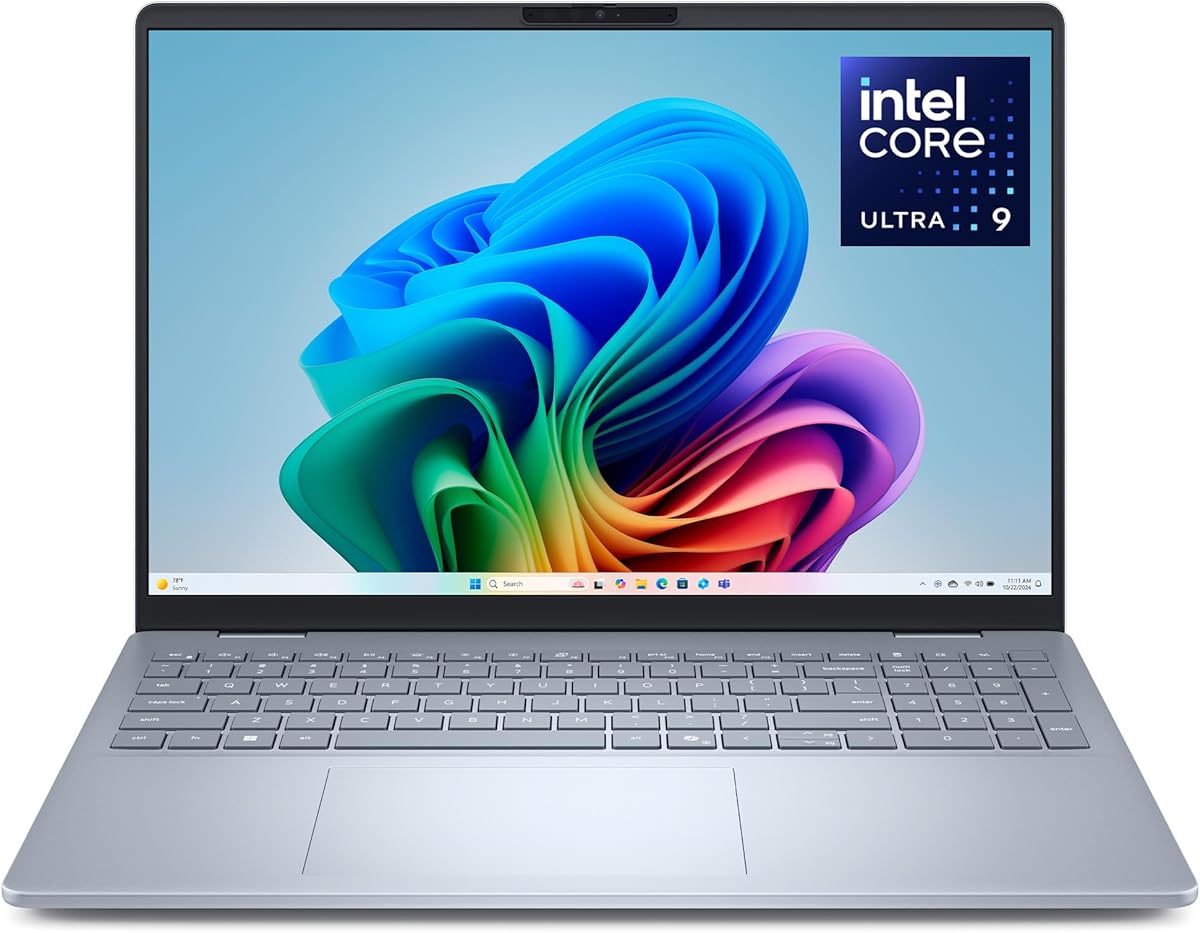
The Dell 16 Plus introduces the latest Intel Core Ultra architecture designed to deliver next-generation AI experiences directly on the device. It balances performance with efficiency making it a strong candidate for daily workloads involving AI integration.
We may earn a commission when you buy through this link, at no additional cost to you.
With 32GB of RAM users can manage multiple browser tabs and development tools without slowdowns. The QHD+ display offers a vibrant workspace for reviewing data visualizations and ensuring color accuracy in design work.
While it lacks a dedicated GPU for heavy training it excels in tasks requiring NPU support for local inference. This makes it a good choice for deploying models rather than training massive architectures from scratch.
We recommend this laptop for professionals who need a reliable daily driver with advanced AI features. Its onsite service option adds peace of mind for business users who cannot afford downtime during critical tasks.
Built with Intel latest compute engines for optimized AI performance and power efficiency.
FHD+ webcam with Windows Hello ensures secure and clear video calls for remote collaboration.
We may earn a commission when you buy through this link, at no additional cost to you.
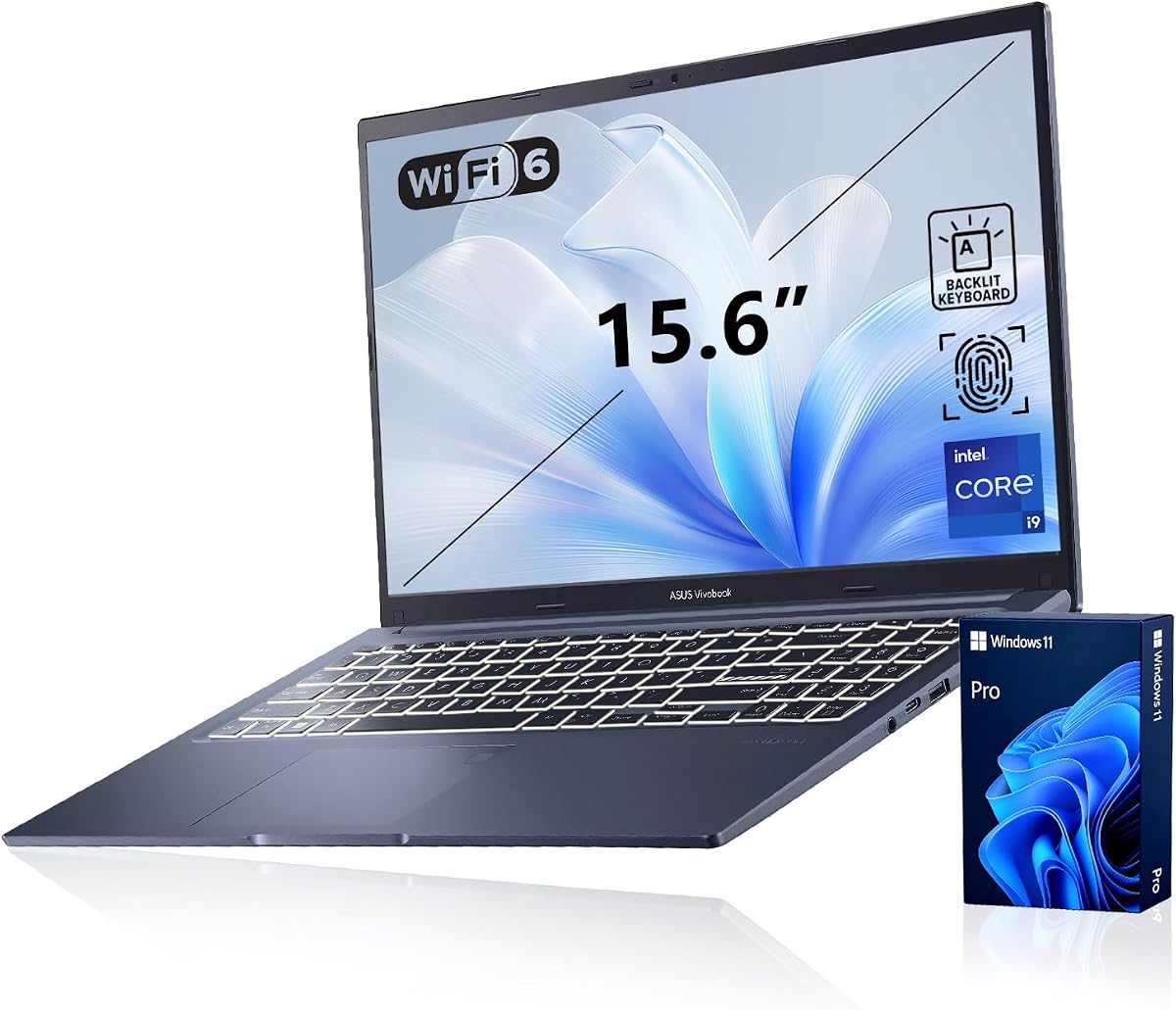
This ASUS Vivobook model stands out for its flexibility allowing buyers to select RAM and storage configurations that fit their needs. It receives high marks for offering professional-grade specs like 48GB RAM at an affordable price point for students.
We may earn a commission when you buy through this link, at no additional cost to you.
The i9 processor ensures quick compilation and multitasking capabilities which are vital for coding and running simulations. Users appreciate the physical webcam shield and fingerprint reader for added security during sensitive data work.
It includes a numeric keypad which is helpful for data entry tasks common in statistical analysis and finance. The connectivity options eliminate the need for dongles making it easy to connect to projectors or monitors.
We suggest this laptop for those who need specific hardware configurations without the cost of a custom order. It is a smart choice for users who want to scale up resources as their machine learning projects grow.
PCOnline customizations provide extended coverage on upgraded components ensuring reliability for demanding workloads.
Physical webcam shield and fingerprint reader give users control over their privacy and access security.
We may earn a commission when you buy through this link, at no additional cost to you.
The 15-inch MacBook Air brings M5 performance to a thinner chassis making it an ideal companion for researchers who travel. It maintains Apple's tradition of excellent battery life allowing uninterrupted work sessions on trains or planes.
We may earn a commission when you buy through this link, at no additional cost to you.
The M5 chip includes a powerful Neural Engine that accelerates AI tasks and supports local inference for privacy-conscious users. Its Liquid Retina display ensures that data charts and code are sharp and easy to read.
With 16GB of unified memory it handles typical workflows well but may struggle with massive models requiring more memory. This configuration is best suited for lightweight training or heavy development and data analysis.
We recommend this model for students and mobile workers who prioritize battery life and portability. It offers a compelling balance of performance and size for those who do not require workstation-level specs.
Integrated AI features help you write and organize data efficiently with powerful privacy protections.
Thunderbolt 4 ports and two external display support ensure flexible connection options for any setup.
We may earn a commission when you buy through this link, at no additional cost to you.
The 13-inch version of the 2026 MacBook Air provides the same M5 power in a more compact form factor perfect for tight spaces. It is praised for being virtually silent during operation which is great for focused coding environments.
We may earn a commission when you buy through this link, at no additional cost to you.
Despite its size it delivers enough power to run development environments and moderate AI inference tasks comfortably. The 16GB unified memory ensures smooth switching between applications without the lag often found in older laptops.
The 13.6-inch display is bright and sharp but users working with multiple code windows might find the space limiting. External monitor support via Thunderbolt helps mitigate this but requires additional hardware for full workspace setup.
This laptop is ideal for students and professionals who need a primary travel machine. It offers the perfect entry point into Apple Silicon performance for those who value weight savings over screen real estate.
Fanless design ensures quiet operation even under load allowing for focus without noise distraction.
Seamless interaction with iPhone and iPad enhances productivity for users already invested in Apple.
We may earn a commission when you buy through this link, at no additional cost to you.
This configuration of the Dell Precision 7780 balances high-end graphics with a moderate memory footprint for specialized workflows. It is designed to support visualization tasks alongside data analysis making it versatile for multidisciplinary teams.
We may earn a commission when you buy through this link, at no additional cost to you.
The NVIDIA RTX ADA 3500 ensures that 3D models and simulations render smoothly without sacrificing system resources. This makes it particularly useful for engineers who need to validate designs alongside running data scripts.
With 32GB of RAM it is capable but may not match the memory capacity of other variants in this series. Users with extremely large datasets might need to upgrade or manage memory carefully to avoid swapping.
We recommend this model for professionals in architecture and engineering who need a reliable workstation. It delivers the stability required for long rendering jobs and complex modeling projects without performance hiccups.
Certified drivers ensure stability and performance for industry-standard modeling and simulation software.
Full port selection including HDMI and USB-C allows for easy connection to external displays and storage.
We may earn a commission when you buy through this link, at no additional cost to you.
The Dell Precision 7680 serves as a versatile workstation option for professionals who rely on CPU power rather than GPU acceleration. It earns solid ratings for its ability to handle software development and data analysis tasks efficiently.
We may earn a commission when you buy through this link, at no additional cost to you.
The Intel Core i9-13950HX processor delivers high clock speeds beneficial for compiling code and processing algorithms. DDR5 RAM provides increased bandwidth ensuring that data moves quickly between the CPU and memory for better multitasking.
It supports up to three external monitors allowing for expanded workspace setups which are essential for coding and monitoring. The privacy shutter on the webcam adds a layer of security for remote workers in various environments.
This laptop is recommended for developers and analysts who prioritize CPU performance and connectivity. It provides a solid foundation for productivity tasks without the premium cost of dedicated workstation graphics cards.
32GB DDR5 CAMM RAM overcomes traditional limits for faster application response and file loading.
Support for three external displays enables a powerful desktop-like experience wherever you work.
We may earn a commission when you buy through this link, at no additional cost to you.
Selecting the right machine requires balancing several technical factors to ensure it can handle your specific workflow without unnecessary expense.
The CPU is the brain of your machine and handles data preprocessing and model training logic. Look for high core counts and modern architectures like Intel Core i9 or Apple M series chips to ensure smooth operation.
Prioritize processors with high clock speeds and thermal efficiency to prevent throttling during extended calculation periods.
GPU power is critical for deep learning tasks as it accelerates parallel computations significantly faster than a CPU. NVIDIA RTX GPUs with ample VRAM are standard for local training while Apple M chips offer dedicated Neural Engines for inference.
Ensure your chosen model has enough video memory to fit your largest model layers without swapping to system RAM.
RAM determines how much data you can hold in active memory at one time without slowing down your system. For professional machine learning work 32GB is often the minimum while 64GB or more is ideal for large datasets.
Check if the memory is upgradeable to future-proof your investment as your projects grow in complexity over time.
Fast SSD storage reduces the time it takes to load datasets and save model checkpoints during experiments. PCIe NVMe drives are significantly faster than traditional SATA SSDs and should be your first choice for any high-performance laptop.
Aim for at least 1TB of storage to house your local libraries and datasets without relying on external drives constantly.
A high-resolution screen makes it easier to read code lines and visualize complex data plots accurately. Look for displays with at least 1080p resolution and high contrast ratios to reduce eye strain during long coding sessions.
Consider screen size based on your mobility needs as larger screens offer more workspace but reduce portability.
Workstation laptops often undergo military-grade testing to withstand the rigors of daily use and travel. A solid chassis ensures that internal components are protected from shocks and vibrations which can occur during commuting.
Prioritize laptops with reliable keyboards and touchpads as you will be interacting with them frequently throughout the day.
Long battery life ensures you can work without a charger for hours while traveling or in conference rooms. Modern chips like Apple M and Intel Core Ultra are designed to balance performance with energy efficiency for better battery metrics.
Weigh the device to ensure it fits comfortably in your bag especially if you plan to carry it to lectures or meetings daily.
A comprehensive suite of ports allows you to connect external monitors storage and networking hardware without adapters. USB-C Thunderbolt 4 and HDMI ports are essential for expanding your workstation setup when working from home.
Check for Wi-Fi 6 or Wi-Fi 7 support to ensure fast and stable connections when downloading large datasets from cloud servers.
Always manage your thermal environment by keeping vents clear and using a cooling pad during intensive training sessions. This prevents overheating which can reduce the lifespan of your CPU and GPU over time.
Regularly update your graphics drivers and operating system to ensure compatibility with the latest machine learning libraries and tools. Software updates often include security patches that protect your valuable data from vulnerabilities.
Back up your models and datasets frequently to external drives or cloud storage to prevent data loss from hardware failure. Maintaining multiple copies ensures you can recover your work quickly if the primary device encounters an issue.
For basic learning and smaller datasets 16GB is acceptable but 32GB is recommended for professional workloads. Larger models and complex training pipelines benefit from 64GB or more to avoid slowdowns during data processing.
While not strictly necessary for basic coding a dedicated GPU like an NVIDIA RTX significantly speeds up training processes. Integrated graphics can handle inference and small models but a discrete GPU is preferred for serious development.
A 17-inch workstation is generally heavy and may be uncomfortable for daily commuting. If portability is important consider a 14 or 16-inch option that balances screen real estate with manageable weight for travel.
Many Windows laptops allow for RAM upgrades but Apple Macs have unified memory soldered to the motherboard. Always check the specific model specifications before purchasing to know if future upgrades are possible for your device.
Fast SSD speed is crucial for reading large datasets efficiently and reducing idle time during training loops. Slower storage can become a bottleneck and delay results making NVMe drives a standard requirement for performance.
Windows offers broader hardware compatibility and NVIDIA GPU support which is standard in industry workflows. macOS is excellent for inference and specific AI frameworks but may lack native support for some CUDA-based libraries.
Windows 11 Pro includes Copilot and AI enhancements while macOS integrates Apple Intelligence for on-device tasks. These features help streamline workflows and provide intelligent assistance without needing to install extra software.
More cores help with multitasking and parallel processing tasks but training relies heavily on GPU efficiency. Ensure the laptop has balanced components where the CPU does not limit the performance of the graphics card.
We recommend the Dell Precision 7780 for those who need top-tier workstation power and the ASUS Vivobook for budget-conscious learners. Both options offer the necessary hardware to support your growth in the field of data science.
Prioritize memory and processing speed over aesthetics since performance is the primary driver of efficiency in machine learning tasks. Choosing a machine that aligns with your current and future needs will save you money in the long run.
Prices for technology change frequently so verify the current deals and availability before making your final purchase decision. This guide serves as a reference point to help you identify the best hardware for your specific requirements.